Blog Topic: Fertility testing

  • IVF medications

    IVF medications


    Blog
    Clinics

    IVF medications

    IVF medications explained: most types of medication, side effects, and more
    IVF medications

    Introduction

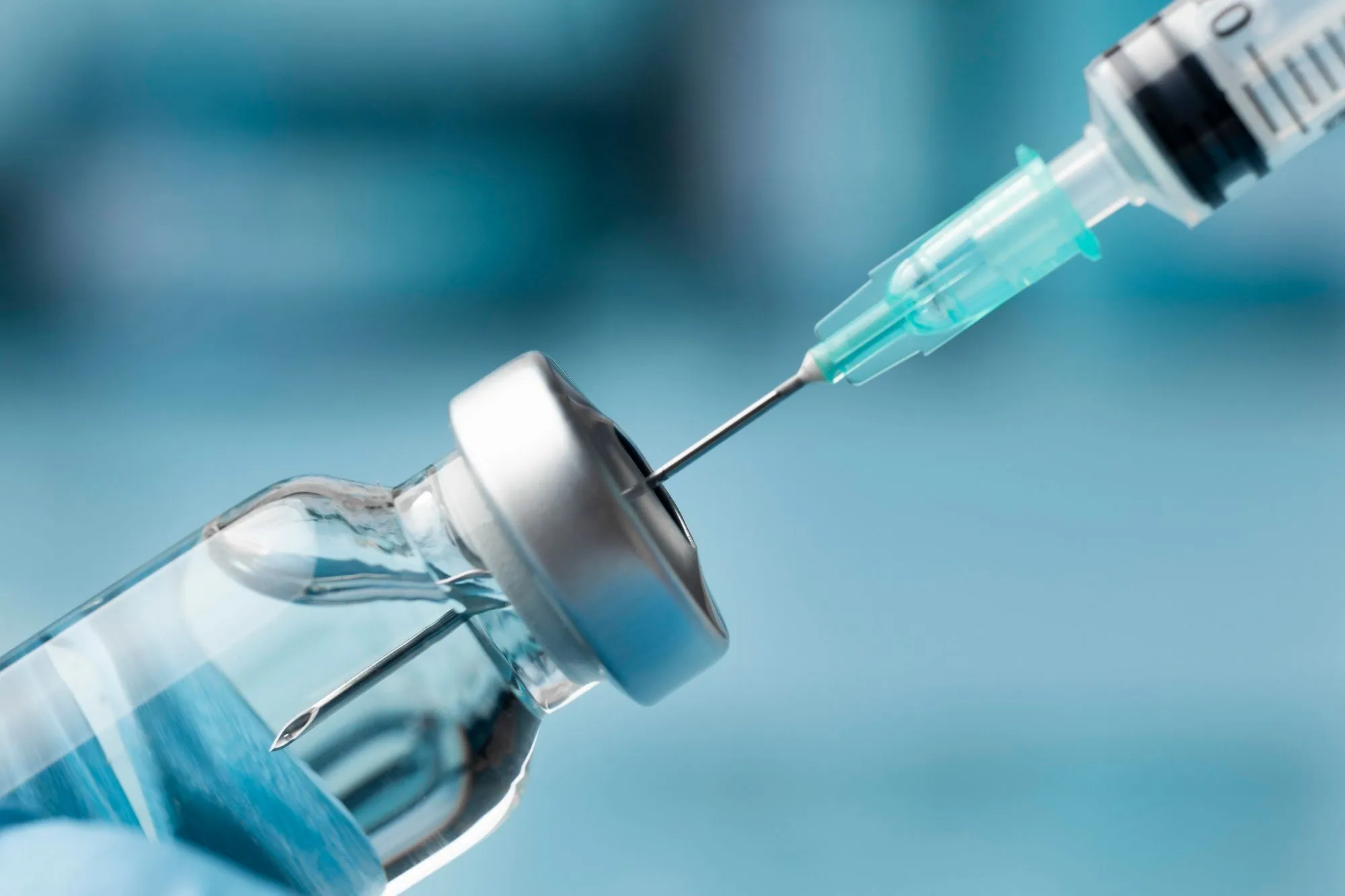
    In vitro fertilization (IVF) is a medical marvel that has helped countless couples and individuals achieve their dream of parenthood. IVF involves a complex series of procedures, and one crucial aspect of this journey is IVF medications. Among these medications, IVF injections and shots play a vital role in stimulating the ovaries, maturing eggs, and increasing the chances of a successful pregnancy. In this blog, we’ll delve into the world of IVF medications, with a particular focus on IVF injections and shots.

    Understanding IVF Medications

    IVF medications are an integral part of the IVF process. They are designed to manipulate the body’s natural hormone levels to optimize the chances of fertilization and a healthy pregnancy. These medications are typically administered in the form of injections, which are carefully calibrated to suit the individual’s needs and the stage of the IVF cycle.

    Types of IVF medication

    Gonadotropins

    The role of this medication is to promote the simultaneous growth of multiple follicles.

    They come in two main kinds:

    • FSH is represented by such brands as Follistim and Gonal-F. That is the same medication but produced by different manufacturers.
    • HMG – brand Menopur

    GnRH Antagonists

    The main purpose of this medication is to prevent pre-mature ovulation by suppressing the release of the luteinizing hormone LH. It comes in 2 alternative brands: Cetrotide and Ganirelix Acetate. 

    Patients usually start taking this medication later during days 7-9 of the cycle and continue taking it till the end of the stimulation.

    GnRn Agonist

    This medication is used to suppress your natural LH and FSH production, making the stimulation more controlled and the production of mature oocytes more synchronized.

    GnRn Agonist is represented by the brand Lupron (Leuprolide Acetate).

    Ovulation trigger

    This is an injectible medication of human chorionic gonadotropin used to complete oocyte maturation by mimicking the natural surge of LH hormone.

    The most popular brands are Ovidrel, Novarel, and Pregnyl. The trigger should be administered at a specific time, and it is usually scheduled 34-36 hours before egg retrieval.

    Your specific medication protocol and dosage should be prescribed by your physician based on your individual circumstances. It can also be adjusted during your stimulation depending on how you react to medication.

    IVF Injections: side effects

    The possible side effects of IVF medications include bloating, headache, pain at the injection area, nausea, vaginal bleeding, mood swings, and OHSS (ovarian hyperstimulation syndrome). OHSS happens in less than 1% of stimulation cycles, and doctors monitor your reaction closely to make sure you don’t get OHSS. 

    As a part of the process, you self-administer medication injections, but most women tolerate it very well. If you are afraid of shots, we can help you find a nurse to help you with medication. 

    Learn more about our fertility support.

    The Emotional Aspect of IVF Medications

    The IVF journey can be emotionally taxing, and the daily routine of injections and shots can add another layer of stress. It’s crucial for patients and their support systems to acknowledge and address the emotional challenges that come with IVF medications. 

    Conclusion

    IVF medications, including IVF injections and shots, are essential tools in the journey toward achieving a successful pregnancy through in vitro fertilization. While the process may seem daunting, it’s important to remember that these medications are carefully tailored to optimize your chances of success. If you’re considering or undergoing IVF, book an appointment with the best fertility clinic near you.

  • Embryo Freezing: A Comprehensive Guide

    Embryo Freezing: A Comprehensive Guide


    Blog
    Clinics

    Embryo Freezing: A Comprehensive Guide

    Learn about the embryo freezing process, embryo vs. egg freezing for how long embryos can be frozen, and other considerations.

    Embryo Freezing: A Comprehensive Guide

    Introduction

    In the world of reproductive technology, advancements have made it possible for individuals and couples to preserve their fertility for future family planning. One of the remarkable innovations in this field is embryo freezing, also known as embryo cryopreservation. In this blog, we’ll dive into the intriguing world of frozen embryos, exploring the process, advantages, and essential considerations.

    What is an Embryo Freezing?

    Embryo freezing is a fertility preservation method where embryos are created in the lab from eggs retrieved and fast-frozen at a very low temperature through a process known as vitrification. This technique allows for the storage of embryos for an extended period until they are ready to be used in assisted reproductive procedures like in vitro fertilization (IVF).

    Embryo Freezing Process

    The embryo freezing process involves several crucial steps:

    • Ovarian stimulation: during this stage, you are taking fertility medications (hormonal injections) to stimulate the growth of multiple follicles that can be further retrieved and fertilized. You should expect to go to the fertility clinic every few days for monitoring appointments (blood work and ultrasound).
    • Egg retrieval: When the follicles reach the appropriate size, you take a trigger shot approximately 35-36 hours before your retrieval to promote ovulation. The retrieval itself is a simple 20-30-minute procedure done under anesthesia when the fluid containing follicles is collected from the ovaries.
    • Embryo fertilization and culture: The follicles retrieved are inspected in the embryo lab to select mature eggs. Then, mature eggs are combined with the prepared sperm sample in a laboratory dish to create embryos through either standard IVF or intracytoplasmic sperm injection (ICSI). The resulting embryos are grown in a controlled environment for a few days to ensure they are healthy and developing properly.
    • Cryopreservation: Healthy embryos are then fast frozen using the vitrification technology and stored in liquid nitrogen at temperatures as low as -196°C (-321°F). 

    How Long Can Embryos Be Frozen?

    One of the most common questions about frozen embryos is how long they can be stored while remaining viable. The answer depends on various factors, including the quality of the embryos and the storage conditions. Generally, embryos can be frozen for an extended period, often several years, without a significant decrease in their viability. Based on existing research, the time you keep your embryos frozen doesn’t affect the results of your future IVF.

    Frozen Embryos vs. Frozen Eggs: Which is Better?

    • Embryo Freezing: This is a great option for couples who are planning to have kids together in the near future or later in life. The main benefit of embryo freezing is the amount of data that you have. While with egg freezing, it’s hard to predict how many eggs will fertilize and end up as healthy embryos, with embryo freezing, you know exactly how many embryos you have that can also be tested for any genetic diseases or abnormalities.

    Frozen embryos also have a little higher thawing survival rate of around 85%-95%, whereas frozen eggs have 80-90%.

    • Egg Freezing: This is a viable choice for those who wish to preserve their fertility but do not have a partner or are not ready yet to start a family with their current partner. It provides more flexibility but has less certainty than embryo freezing. While it is not a guarantee, current studies show promising results that with at least 20 eggs frozen before the age of 38, you can reach up to 70% probability of live birth. 

    Ultimately, the choice between freezing eggs or embryos depends on individual circumstances and future family planning goals. If you are ready to 

    How Many Embryos Should I Freeze?

    The number of embryos you should freeze depends on your specific situation and family plans. You should discuss it with your fertility specialist, who would be able to give you more specific guidance based on your individual situation. Typically, having a surplus of high-quality embryos is reassuring, but the exact number will vary from person to person.

    Success Rates of Embryo Freezing

    The success rate of embryo freezing largely depends on the quality of the embryos and the expertise of the fertility clinic. Generally, the success rates for using frozen embryos in IVF procedures are promising, with many resulting in successful pregnancies and healthy births. Check how the success rates of different clinics compare to the national level.

    Conclusion

    Embryo freezing, or cryopreservation, has revolutionized the field of reproductive medicine. It provides individuals and couples with the opportunity to preserve their fertility and plan for future family-building endeavors. Whether you choose to freeze embryos or eggs, it’s essential to consult with a fertility specialist to make informed decisions about your reproductive journey. Book a first consultation with a fertility doctor.

  • Egg Retrieval for Egg Freezing

    Egg Retrieval for Egg Freezing


    Blog
    Clinics

    Egg Retrieval for Egg Freezing

    Egg retrieval for egg freezing is a crucial procedure designed to collect and preserve a woman's eggs for future use.

    Egg Retrieval for Egg Freezing

    The egg retrieval procedure for egg freezing involves the following steps:

    – Typically performed within 15 minutes under light anesthesia or sedation.

    – A thin, hollow needle is inserted through the vaginal wall into the ovaries.

    – The needle is guided by ultrasound imaging to aspirate mature eggs from follicles.

    – Collected eggs are then immediately transferred to a laboratory for further processing.

    Success Rates and Clinical Results

    Success rates for egg retrieval for freezing vary, but it is generally considered a successful method for preserving fertility. Clinical results often depend on a woman’s age and ovarian reserve. Younger women tend to have better success rates than older ones.

    Recovery

    After the egg retrieval procedure for egg freezing, most women can resume normal activities within 24 to 48 hours. Mild discomfort and bloating may persist for a few days. Following your doctor’s post-retrieval instructions is essential to ensure a smooth recovery.

    After retrieval: consider where to store eggs

    One important consideration is the cost of storing frozen eggs. Blooming Eve researched and found a reliable egg/embryo storage facility for $375 a year (on a 5-year plan). Reach out if you want to save money at a reliable cryobank.

    In summary, the egg retrieval procedure is a core step in assisted reproductive technologies like IVF, egg freezing, and embryo freezing. While it may have mild side effects, most women recover within a few days, and the timeline varies depending on the specific purpose of the procedure. Book a consultation to get a full scoop of our fertility support. Or find an affordable fertility clinic for a consultation or second opinion.

  • PCOS and IVF: A Comprehensive Guide to Fertility Treatment

    PCOS and IVF: A Comprehensive Guide to Fertility Treatment


    Blog
    IVF

    PCOS and IVF: A Comprehensive Guide to Fertility Treatment

    How PCOS affects your IVF, PCOS IVF success rates, IUI vs. IVF with PCOS, and other considerations.

    PCOS and IVF: A Comprehensive Guide to Fertility Treatment

    Introduction

    Polycystic Ovary Syndrome (PCOS) is a common hormonal disorder that affects 5-10% of women. One of the significant challenges that women with PCOS face is infertility. In Vitro Fertilization (IVF) is one of the fertility treatment options that has also been used in some cases for women with PCOS. In this blog, we will explore the relationship between PCOS and IVF, the success rates, protocols, and other important aspects of IVF for women with PCOS.

    Understanding PCOS and IVF

    PCOS is a condition characterized by irregular menstrual cycles, high levels of androgens (male hormones), and the presence of small cysts on the ovaries. These hormonal imbalances can lead to difficulties in ovulation, making it challenging for women with PCOS to conceive naturally. IVF is a medical procedure that involves fertilizing an egg with sperm outside the body, followed by the transfer of the embryo(s) into the uterus. It is often offered to women with PCOS who struggle to conceive naturally and have unsuccessfully tried ovulation induction.

    PCOS IVF Success Rate

    The success of IVF for women with PCOS depends on various factors, including the woman’s age, the severity of PCOS, and her overall health. Generally, the success rate for IVF in women with PCOS is encouraging. It is important to keep in mind that PCOS is often linked to obesity, and a higher BMI index can negatively affect IVF success rates. It may be recommended to introduce lifestyle changes to increase the chances of IVF. Our fertility advisors can help you find experts to prepare for your IVF cycle. Get help today.

    PCOS IVF Success First Time

    While some women with PCOS do achieve success with their first IVF cycle, it’s essential to understand that the number of cycles required can vary. Success on the first attempt depends on several factors, including the woman’s age, the severity of PCOS, and age. Some studies show that women with PCOS with a BMI less than 30 have higher success rates than women without PCOS undergoing IVF for the first time. Many women with PCOS do become pregnant through IVF, but for some, it may take multiple cycles to achieve success and may also require lifestyle changes. Book a consultation with a fertility specialist to assess your individual chances.

    Can I Do IVF If I Have PCOS?

    Yes, women with PCOS are eligible for IVF treatment. In fact, IVF is often recommended for women with PCOS who have been unable to conceive after ovulation induction. It’s crucial to consult with a fertility specialist who can assess your specific situation and recommend the most appropriate treatment plan. Find a fertility specialist near you.

    Best IVF Protocol for PCOS

    The best IVF protocol for PCOS depends on individual factors and should be determined by a fertility specialist. They will consider your age, the severity of PCOS, and your response to medications when designing the most suitable protocol for you.

    Does IVF Work for PCOS?

    IVF can be highly effective for women with PCOS who are struggling to conceive and tried multiple other treatments to induce ovulation. While success rates may vary, many women with PCOS have successfully become pregnant through IVF treatment. It offers hope and a viable solution for those facing infertility due to PCOS.

    IUI vs. IVF for PCOS

    The most common treatment of PCOS is timed intercourse with induced ovulation (clomiphene citrate); sometimes, letrozole or injected gonadotropin can be used. Intrauterine Insemination (IUI) is another fertility treatment option that may be considered along with IVF for women with PCOS after unsuccessful ovulation induction. While IUI can be an efficient and more affordable option for treating infertility versus IVF, there is not enough evidence demonstrating the benefit of adding IUI to ovulation induction versus timed intercourse. The success rates for IUI tend to be lower compared to IVF. IVF is generally recommended when other treatments have not yielded positive results.

    Conclusion

    IVF is commonly used as a secondary treatment for PCOS patients after ovulation induction has been unsuccessful. IVF offers a promising solution for these women. In some cases, to increase the results of your IVF treatment, lifestyle changes should be introduced first. While the journey may involve multiple cycles and various protocols, many women with PCOS have achieved their dream of parenthood through IVF. If you have PCOS and are considering fertility treatment, book a consultation with a fertility specialist who can help you choose the right treatment.

  • Understanding IVF cost

    Understanding IVF cost


    Blog
    Clinics

    Understanding IVF cost

    IVF cost is one of the primary considerations many couples take when evaluating their fertility treatment options. In this blog post, we'll delve into the various aspects of IVF costs, including the average IVF cost, IVF medication cost, and factors that influence the cost of IVF.

    Understanding IVF cost

    Understanding the Basics: What is IVF?

    In Vitro Fertilization is a type of fertility treatment that involves combining an egg and sperm outside the body in a laboratory dish. Once fertilized, the embryo is then transferred into the uterus. If you also want to learn more about IVF process, you can check one of our recent blog posts. IVF is a blessing for couples struggling with infertility, but it’s essential to be prepared for the associated costs. 

    Breaking Down the Cost of IVF

    • IVF Clinical Cost: The cost of the actual IVF procedure can vary widely depending on factors such as the clinic’s location, reputation, and success rates. The cost of a single IVF cycle or procedure can range from $3,500 to $30,000. It’s recommended to ask about what’s included in this cost, such as ultrasounds, blood tests, and embryo transfers, ICSI (Intracytoplasmic Sperm Injection) and anesthesia. Preliminary testing for both partners is needed before starting the IVF process and it is not included in the cycle cost. 
    • IVF Medication Cost: IVF requires various medications to stimulate egg production, trigger ovulation, and support the uterine lining. These medications can significantly contribute to the overall cost and the individual protocol depends on your medical history and doctor’s recommendations. On average, IVF medication costs can range from $3,000 to $10,000, depending on the individual’s needs.

    Find out about the cost of IVF in different clinics near you

  • Can you freeze eggs with IUD?

    Can you freeze eggs with IUD?


    Blog
    Egg freezing

    Can you freeze eggs with IUD?

    Birth control pills & egg freezing: start with fertility testing to decide if you need a break before your egg freezing cycle. You can freeze eggs with an IUD & it won't affect your egg and embryo freezing.

    Can you freeze eggs with IUD?

    We are often asked what is the effect of birth control on fertility and fertility preservation. It’s important to understand that different birth control methods work differently and can or cannot affect your egg freezing cycle. Let’s go over the most popular ones.

    Egg freezing and birth control pills

    Birth control pills, vaginal rings, and birth control patches are all types of combined hormonal contraception (CHC) which include the combination of hormones such as estrogen and progesterone. They work by introducing additional hormones into the body which prevent women from ovulation. Even though sometimes birth control pills are prescribed for a few weeks to prepare for IVF or egg freezing if they have been used for a much longer period it may lead to a lower egg count aka worse response to fertility medication and worse results during your freezing cycle. It’s recommended to have a few months’ break from taking birth control pills to normalize ovulation and it may take up to 6 months for some patients with significantly depressed levels of anti-Mullerian hormone and antral follicle count (egg count measures).

  • Fertility testing: what is tested and find one near you

    Fertility testing: what is tested and find one near you


    Blog
    Clinics

    Fertility testing: what is tested and find one near you

    Fertility testing can be done at a fertility clinic or some OBGYN offices near you. It is often covered by general insurance. Check your fertility regularly and better with a doctor.

    Fertility testing: what is tested and find one near you

    Find fertility testing near you

    Why should you consider fertility testing?

    Think of it like a checkup for your reproductive health. Whether you’re itching to be a parent now or just pondering it, fertility testing can provide crucial insights to help you plan and address any potential snags along the way. After 30 years old, annual fertility testing visits can help you monitor your reproductive health and address any concerns as they arise.

    Different kinds of fertility testing

    Now, let’s talk about the various types of fertility testing:

    For women:

    • Hormone Check: This usually involves a quick blood test to measure hormone levels like FSH, AMH, and LH. It gives you the scoop on your ovulation and egg quality.
    • Ultrasound: For the ladies, a transvaginal ultrasound can look at your reproductive organs, spot any structural issues, and keep tabs on follicle growth.
  • Egg Freezing Age: Understanding Success Rates and Timing

    Egg Freezing Age: Understanding Success Rates and Timing


    Blog
    Egg freezing

    Egg Freezing Age: Understanding Success Rates and Timing

    Learn about egg freezing success rates by age, whether it is worth freezing at 35, 38, 39, 40, or 45, and if it is too late to freeze eggs

    Egg Freezing Age: Understanding Success Rates and Timing

    Introduction

    As women today increasingly prioritize their careers and personal goals, the concept of egg freezing has gained prominence as a potential solution to preserve fertility. However, deciding when to freeze one’s eggs can be a complex and emotional journey. Success rates of egg freezing vary significantly by age, which leaves many women pondering whether they should freeze their eggs at 35, 40, 39, or even later. In this article, we will explore the factors that influence egg freezing success rates by age and provide insights into when it might be the right time to consider this option.

    Egg Freezing Success Rates by Age

    One of the most critical factors in egg freezing is a woman’s age. Eggs are most viable in a woman’s early 20s and gradually decrease in quality and quantity as she ages. Consequently, success rates of egg freezing tend to diminish with age.

    When considering at what age to freeze and how many eggs, certain criteria should be taken into account:

    • The number of eggs retrieved during the cycle is higher when you are younger.
    • With age, the quality of eggs deteriorates, and you need more eggs to create a genetically healthy (euploid) embryo
    • What are your family plans? Do you want to have a few kids, and when? Depending on your family plans, you may need to do a few cycles.
    • Individual health – some people have conditions that may affect their fertility. Fertility testing may help you understand your individual timeline.

    Start with the consultation with a fertility specialist to discuss your personal situation and family plans.

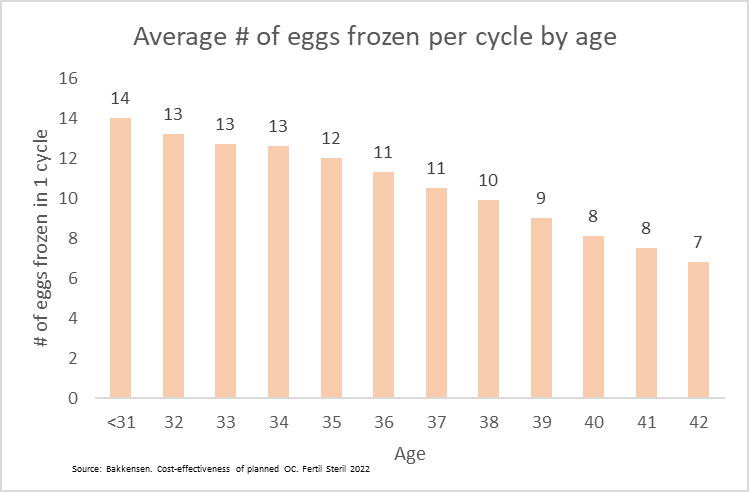
    Average number of eggs frozen by age and success rate by cycle

  • Egg Quality Supplements – instrument to improve your IVF results

    Egg Quality Supplements – instrument to improve your IVF results


    Blog
    Clinics

    Egg Quality Supplements – instrument to improve your IVF results

    IVF supplements can improve egg quality and quantity; learn what vitamins and supplements to use for better IVF results

    Egg Quality Supplements - instrument to improve your IVF results

    Introduction

    The quality and quantity of a woman’s eggs are crucial in achieving a successful pregnancy. Multiple studies demonstrated that nutrition and, particularly, certain supplements may boost natural fertility. In this article, we will explore the world of egg quality supplements, discuss their benefits, whether there is any scientific proof justifying their use, and provide insights into how they can support fertility, especially for those undergoing in vitro fertilization (IVF) or dealing with low ovarian reserve.

    Understanding the Importance of Egg Quality

    Egg quality refers to the overall health and vitality of a woman’s eggs. High-quality eggs are more likely to fertilize successfully, resulting in a healthy embryo and a successful pregnancy. Factors such as age, genetics, lifestyle, and environmental exposures can affect egg quality. As women age, the quality and quantity of their eggs naturally decline, making conception more challenging.

    Supplements to Improve Egg Quality and Quantity

    Coenzyme Q10 (CoQ10): CoQ10 is a powerful antioxidant that helps protect eggs from oxidative stress, a common factor contributing to poor egg quality. It may also enhance mitochondrial function, which is crucial for healthy egg development. While scientific evidence is still limited, the existing studies demonstrate an improved clinical pregnancy rate(28.8% to 14%) versus placebo in IVF cycles.

    Myo-inositol: Myo-inositol has shown promise in improving egg quality and ovarian function for PCOS patients going through different infertility treatments. It works by reducing the level of male hormone (testosterone), correcting the LH/FSH ratio, and helping to normalize the menstrual cycle and induce ovulation. For the IVF cycle, it may mean lower FSH dosage and better maturation of eggs. Existing studies mostly evaluate the results of myo-inositol supplementation together with folic acid, and no large studies exist comparing myo-inositol to placebo. Largest recent study demonstrated that a combination of 4g/day of myo-inositol and 400 mg/day of folic acid seem to increase clinical live-birth and lower FSH dosage with ovulation induction for PCOS patients.

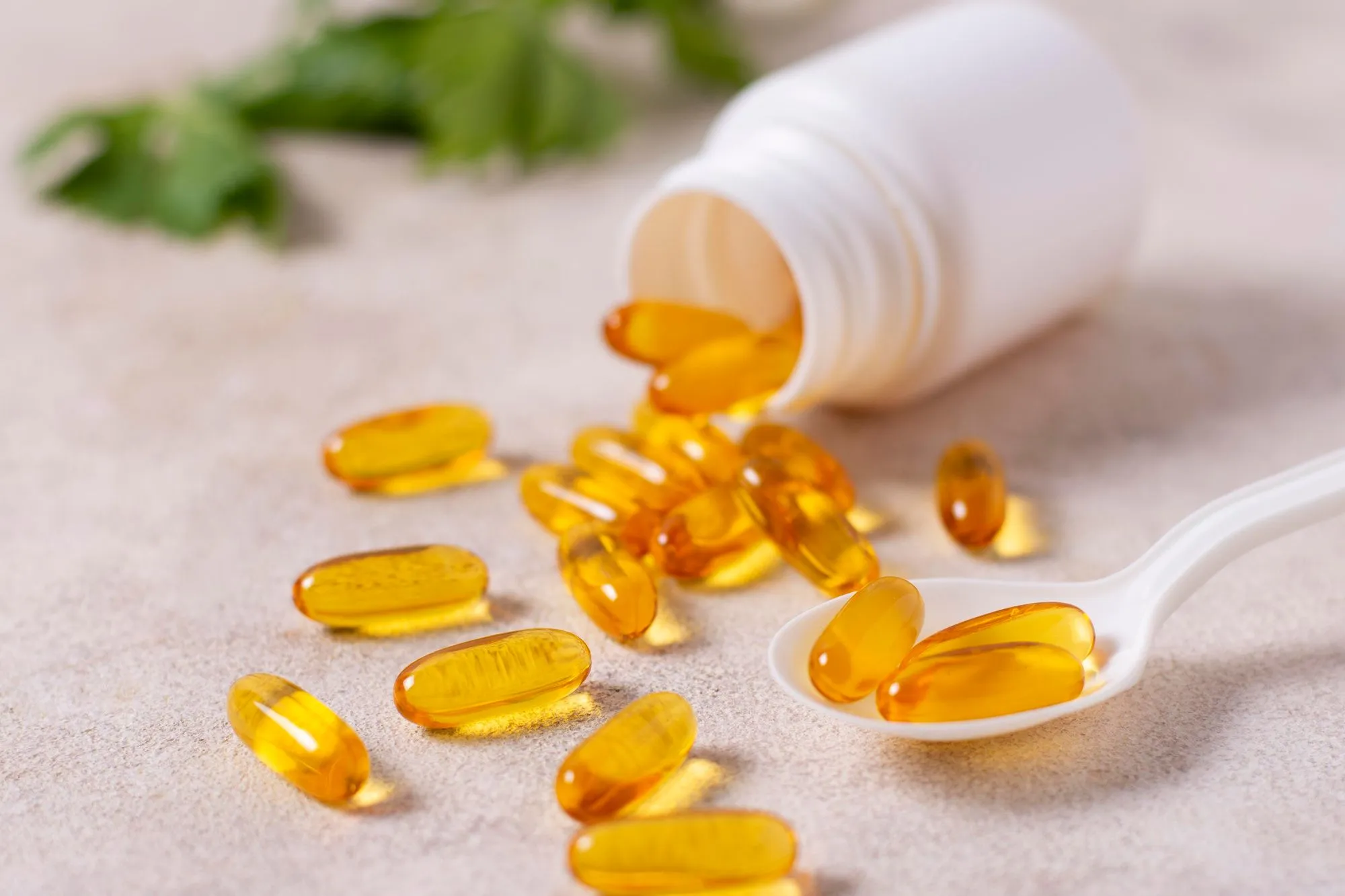
    Omega-3 Fatty Acids: Omega-3 fatty acids can improve egg quality, according to a recent study of women going through assisted reproduction treatment or IVF, resulting in better live birth and clinical pregnancy. 

    DHEA (Dehydroepiandrosterone): DHEA is a hormone produced by adrenal glands that promotes the production of androgens and estrogens and peaks during the mid-20s and decreases over age. It is often recommended for women with poor ovarian response to stimulations due to age, prior poor response, and also abnormal ovarian reserve tests (such as low AMH and AFC). Its use has shown improved pregnancy rate. In analyzed studies, it was administered in 25 mg three times daily from 6 to 16 weeks before cycle.

  • Egg quality supplements to improve your egg freezing results

    Egg quality supplements to improve your egg freezing results


    Blog
    Clinics

    Egg quality supplements to improve your egg freezing results

    Learn how to improve your egg freezing outcomes and prepare for your procedure by taking egg quality supplements and vitamins.

    Egg quality supplements to improve your egg freezing results

    Studies have consistently shown that nutrition, including the incorporation of specific supplements, can positively impact natural fertility. In this article, we will explore the potential benefits of supplements, examine the scientific evidence supporting their usage, and shed light on how they can support fertility, particularly for those considering egg freezing or facing concerns related to ovarian reserve.

    While with egg freezing, it is hard to evaluate the egg quality of retrieved eggs before they are thawed and fertilized, the approach for improving egg quality and quantity with nutrition and supplements used for infertility patients can be mirrored for patients willing to do egg freezing to maximize their results from the procedure. 

    Supplements to Enhance Egg Quality and Quantity for egg freezing

    Coenzyme Q10 (CoQ10): CoQ10 is a potent antioxidant that shields eggs from oxidative stress, a common contributor to diminished egg quality. It may also enhance mitochondrial function, a critical factor in the development of healthy eggs. While the scientific evidence is still evolving, existing studies have demonstrated an improved egg quality shown by an improved clinical pregnancy rate in in vitro fertilization (IVF) cycles when CoQ10 was administered.

    Myo-inositol: Myo-inositol has shown promise in enhancing egg quality and ovarian function, especially for patients with polycystic ovary syndrome (PCOS) undergoing various infertility treatments. It works by reducing the levels of male hormones like testosterone, correcting the LH/FSH ratio, and helping to normalize the menstrual cycle and induce ovulation. For egg freezing cycles, myo-inositol may lead to reduced FSH dosages and improved egg maturation. Existing studies mostly evaluate the results of myo-inositol supplementation in combination with folic acid, and while larger studies comparing myo-inositol to placebos are lacking, recent research suggests its potential benefits for PCOS patients.

    Omega-3 Fatty Acids: Recent research has indicated that omega-3 fatty acids can enhance egg quality, particularly in women undergoing assisted reproduction treatments like egg freezing and IVF, associated with higher live birth and clinical pregnancy rates.