Blog Topic: Fertility testing

  • How much does it cost to freeze eggs?

    How much does it cost to freeze eggs?


    Blog
    Clinics

    How much does it cost to freeze eggs?

    Learn how much it costs to freeze eggs. We will go over the total egg freezing cost, including clinical cost and fertility medication costs, as well as the annual storage fee for frozen eggs.

    How much does it cost to freeze eggs?

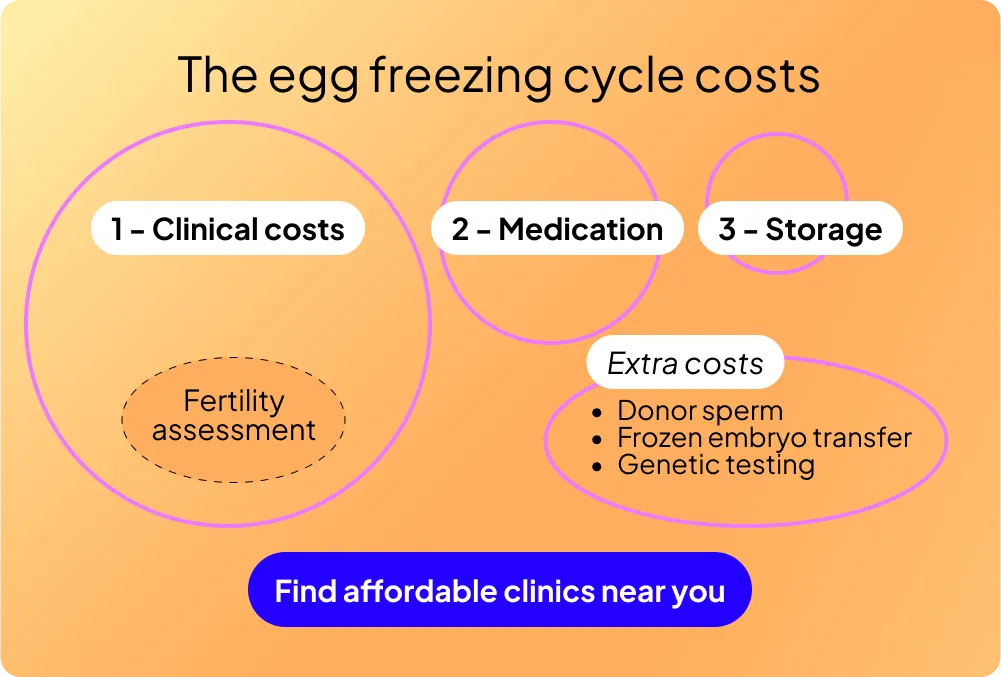
    1 – Clinical costs

    Fertility assessment

    It is always the first step. Fertility assessment cost is usually outside of the cycle cost, but your general insurance often covers it. It consists of bloodwork, an ultrasound, and a conversation with your fertility doctor.  

    The cycle:

    Egg freezing: $2,500-18,000

    The price to freeze eggs varies significantly per clinic. Clinics use the term “cycle,” and it means one stimulation of your natural ovulation cycle ending with egg retrieval and freezing of eggs.

    Usually, the cycle includes:

    • bloodwork and ultrasound (monitoring),
    • anesthesia,
    • egg retrieval,
    • lab fees.

    Sometimes a clinic might charge you separately for some of the steps, like anesthesia, or add extra services to the cost of the cycle, like 1-year storage fees. It is often hard to understand how much exactly the clinic will charge you. Clinical costs are a significant part of your bill, and you can save a lot by choosing the right clinic. Check our database to compare the prices of different fertility clinics near you.

    2 – Medication – $3,000 to $10,000

    The price depends on your prescriptions. Your medical protocol will be adjusted on the go depending on how the medication is affecting your body.

    3 – Yearly egg storage cost – $300 to $1000

    You can keep the eggs at your clinic or transfer them to a more affordable cryobank or egg storage facility. 

    It’s a lot, we know. And we are here to help – we will support you throughout your egg freezing process and make sure you are saving money at every step of the process. Learn more about our fertility support.

  • IVF process steps

    IVF process steps


    Blog
    Clinics

    IVF process steps

    IVF process steps and IVF timeline by day: from fertility evaluation to embryo transfer & pregnancy. Consulting with a fertility specialist will provide you with a more accurate timeline tailored to your information.

    IVF process steps

    Step 1. Fertility evaluation 

    Every IVF process starts with a fertility evaluation of both partners. The goal of fertility assessment is to evaluate all possible reasons that may contribute to infertility. To start, the doctor or nurse will collect a comprehensive medical, reproductive, and family history and perform appropriate physical examination. Based on your individual medical and infertility history and preferences, your doctor would define what diagnostic tests would be needed to identify factors affecting infertility. If you are looking for a clinic to do a fertility assessment, you can check our database of fertility centers, which includes information on pricing and clinical outcomes.

    Step 2. Preparation

    The step is often missed, but it takes a lot of time, coordination, and research. It contains: 

    • Admin preparation (scheduling the IVF cycle based on your menstrual cycle and doctor’s availability, receiving training from the nurses, signing forms, transferring your previous medical history, and ordering medications)
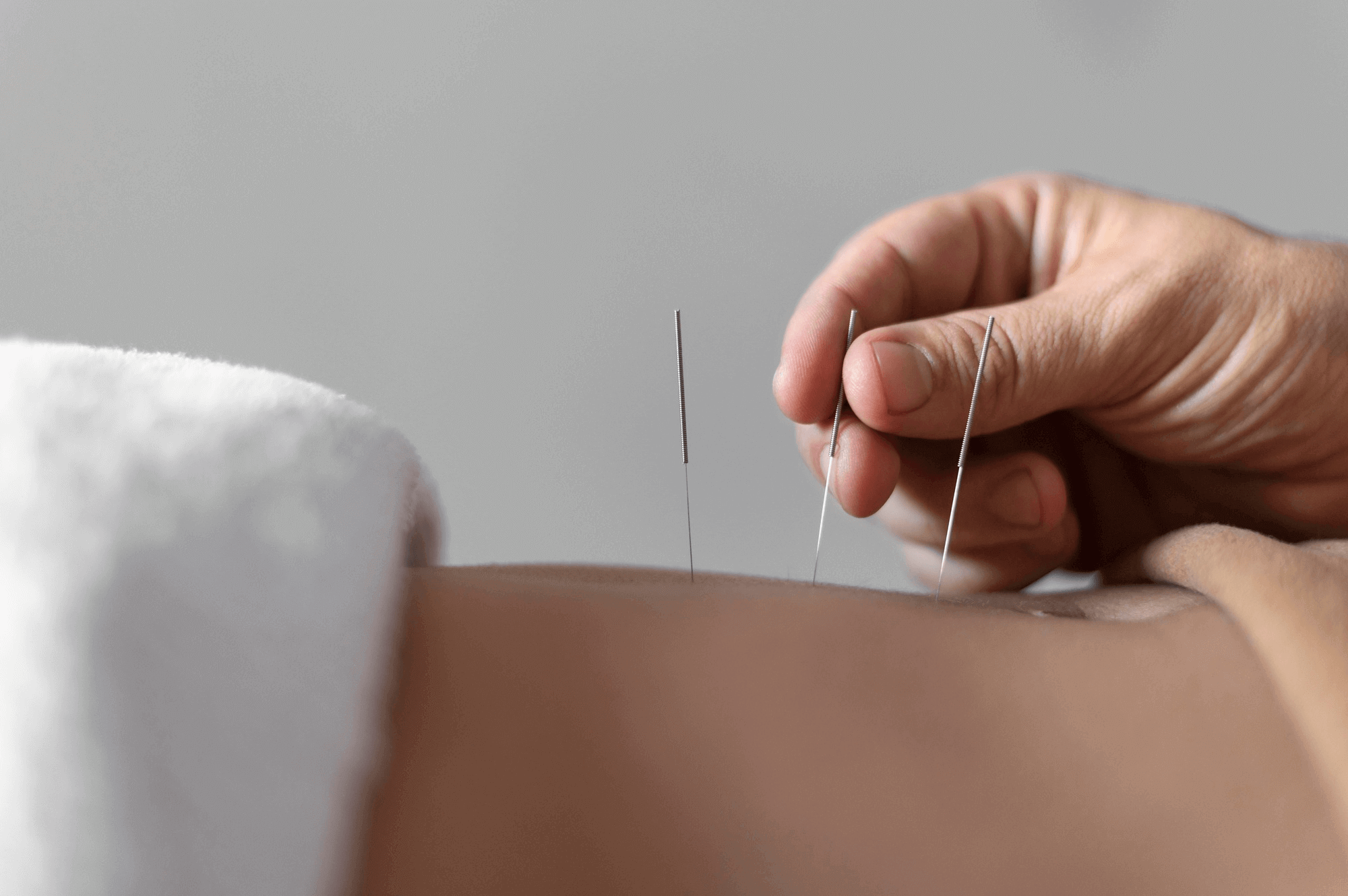
    • Preparing your body and mind (lifestyle and nutrition changes to improve fertility, acupuncture for fertility, and preparing for the rollercoaster of emotions, hormonal stimulation, and waiting for the results)

    Step 3. Ovarian stimulation

    As a part of the IVF process, you will undergo ovarian stimulation by taking fertility medications to stimulate the ovaries and promote the development of multiple mature eggs. This usually takes around 8 to 14 days, with regular monitoring through ultrasound scans and blood tests.

    The medication stimulation ends with a trigger shot to provoke ovulation that is performed 36 hours before the retrieval.

    Step 4. Egg retrieval

    Once the eggs have matured, the egg retrieval procedure is performed. It is a minor surgical procedure done under sedation or anesthesia. A thin needle is inserted through the vaginal wall into each ovary to retrieve the mature eggs. The procedure usually takes about 20-30 minutes.

    The male partner has to bring the sperm sample at least 60 minutes before the procedure to make it for the next step – fertilization.

    Step 5. Embryo stage

    After the eggs are retrieved, they are combined with sperm in the laboratory to facilitate fertilization. This can be done through traditional IVF, where the eggs and sperm are placed together in a culture dish, or through intracytoplasmic sperm injection (ICSI), where a single sperm is injected directly into each mature egg.

    The fertilized eggs, now called embryos, are cultured in the laboratory for 4-5 days to allow them to develop further. At this stage, if you decide to do genetic testing of embryos, the developed embryos are frozen, and genetic material is taken for further analysis.

    Step 6. Embryo transfer

    Depending on whether your uterus is ready for the transfer and if the genetic testing is to be performed, you and your doctor will decide whether a fresh or frozen embryo transfer procedure will be performed. In the final stage, one or more embryos are transferred into the uterus through a thin catheter. The transfer is typically performed without anesthesia and, takes up to 30 minutes, and doesn’t require hospitalization. The number of embryos transferred depends on various factors, including age, embryo quality, and the patient’s preferences.

    Step 7. Pregnancy test

    Following the embryo transfer, you may need to wait for about 14 days for a pregnancy test to determine if the IVF cycle was successful.

    IVF timeline by day

    The timeline for a fresh IVF cycle may look like this:

    • Fertility assessment (flexible timeline)
    • Start of the injections (cycle day 2)
    • Ovulation stimulation (injections of medication with monitoring visits 8-14 days)
    • Egg retrieval (takes around 15 mins, and you have to stay at the clinic for 2-3 hours to recover from anesthesia under the supervision of a nurse)
    • Fertilization and culture of embryos (4-5 days)
    • Fresh embryo transfer (on the 6th day after egg retrieval)
    • Pregnancy test (14 days after the transfer)

    If you are doing a frozen embryo transfer, the overall process may take up to 2 months as you will start preparing for your transfer on the second day of your next menstrual cycle. During 10-14 days, you will have monitoring appointments and may be prescribed additional medication to prepare the uterus for the transfer. 

    It’s important to note that these timelines are general guidelines, and individual circumstances may lead to variations in the process and timelines. Consulting with a fertility specialist will provide you with a more accurate timeline and tailored information based on your specific situation.

    If you are looking to start your IVF process, find the best fertility clinic near you.

  • Fertility testing at home vs at a fertility clinic

    Fertility testing at home vs at a fertility clinic


    Blog
    Clinics

    Fertility testing at home vs at a fertility clinic

    Fertility testing: how to choose whether to do fertility testing at home or at the fertility clinic. If you are looking for fertility testing in a clinic, find the best fertility clinic near you with Blooming Eve.

    Fertility testing at home vs at a fertility clinic

    When considering fertility testing, there are pros and cons associated with both conducting the tests at home and visiting a fertility clinic. Here’s an overview of the advantages and disadvantages of each option:

    Fertility Testing at Home:

    Pros:

    1. Convenience: Testing at home allows you to conduct the tests at your own convenience without the need to schedule appointments or travel to a clinic.
    2. Privacy: Home testing offers increased privacy as you can perform the tests in the comfort of your own home, avoiding potential discomfort or embarrassment that may arise from discussing personal matters in a clinical setting.
    3. Cost: Home fertility testing kits are often more affordable than clinic-based tests, especially when considering potential costs related to clinic consultations and additional services.

    Cons:

    1. Limited Scope: Home fertility testing typically focuses on a narrower range of parameters, such as ovulation prediction or sperm count, and may not provide a comprehensive evaluation of fertility factors.
    2. Accuracy: The accuracy of home fertility tests can vary, and there may be a higher chance of errors due to user factors, inadequate sample collection, or interpretation of results.
    3. Lack of Professional Guidance: Performing tests at home means you won’t have immediate access to professional guidance and expertise, which can be valuable in interpreting results, understanding underlying causes, and developing appropriate next steps.

    Fertility Testing at a Clinic:

    Pros:

    1. Comprehensive Evaluation: Fertility clinics offer a wide range of tests and assessments to comprehensively evaluate both male and female fertility factors. This can provide a more accurate and detailed understanding of your reproductive health.
    2. Expert Guidance: Fertility specialists can provide personalized guidance, explain test results, discuss potential fertility issues, and recommend appropriate treatment options or lifestyle changes.
    3. Specialized Equipment and Techniques: Clinics have access to advanced diagnostic equipment and specialized techniques that may not be available for home testing, ensuring more accurate and reliable results.

    Cons:

    1. Cost: Fertility clinic testing can be more expensive, particularly if multiple tests or consultations are required. Insurance coverage may vary, and financial considerations can be a limiting factor for some individuals or couples.
    2. Inconvenience: Clinic visits may require scheduling appointments, travel, and potential waiting times, which can be challenging for individuals with busy schedules or limited access to healthcare facilities.
    3. Emotional Stress: The process of visiting a fertility clinic and undergoing tests may cause emotional stress, especially if the results reveal fertility issues or uncertainties about the ability to conceive.

    Ultimately, the choice between home fertility testing and visiting a fertility clinic depends on individual preferences, budget, and the desired level of comprehensive evaluation and professional guidance. Some individuals may find home testing sufficient for initial assessments, while others may prefer the expertise and comprehensive evaluation provided by fertility clinics.

    If you are looking for fertility assessment/testing in a clinic, find the best fertility clinic near you.

  • PCOS and egg freezing

    PCOS and egg freezing


    Blog
    Clinics

    PCOS and egg freezing

    How does PCOS affect fertility? Learn what PCOS is & what PCOS means for egg freezing. If you have PCOS, it is a good idea to see a fertility specialist who will help you to choose the treatment and make necessary lifestyle changes.

    PCOS and egg freezing

    What is PCOS?

    PCOS stands for Polycystic ovary syndrome. PCOS is hormonal and metabolic disbalance that is a common and treatable cause of infertility.

    According to different sources, PCOS affects 5% to 10% of women of reproductive age in the US. The most common symptoms of PCOS are irregular periods, excess facial and body hair, acne, weight gain and difficulty losing weight and hair loss. Women with PCOS often have an elevated level of AMH (>5 ng/mL) and a higher number of follicles in the ovaries (>12 per ovary).

    PCOS and Egg freezing

    It is common that PCOS patients are not able to conceive on their own and need some form of fertility treatment and/or lifestyle changes. While women with PCOS don’t always need to go through IVF to achieve pregnancy, they may consider egg freezing for the same reason as other patients willing to preserve their reproductive ability and save the quality of their eggs at a younger age.

    It worth noting, that egg freezing could be very cost efficient for these patients as they usually have more eggs to be retrieved with less stimulation.

    Final thoughts

    If you are diagnosed with PCOS, it is a good idea to see the fertility specialist that would help you to choose the treatment and make necessary lifestyle changes. Blooming Eve partners with the best fertility clinics and specialists that can help you to start with the treatment. If you are considering egg freezing to save your reproductive potential till the moment when you are ready to start the family, we can help you to get the best possible egg-freezing services at a cost-effective rate. Contact our team to learn more today.

  • Fertility Acupuncture In Supporting Your Path to Parenthood

    Fertility Acupuncture In Supporting Your Path to Parenthood


    Blog
    IVF

    Fertility Acupuncture In Supporting Your Path to Parenthood

    Learn about acupuncture for fertility, how it works, what the potential benefits could be, and how much it costs.

    Fertility Acupuncture In Supporting Your Path to Parenthood

    What is acupuncture?

    Acupuncture is an integral part of Chinese medicine that dates back about 3,000 years. It has gained increasing popularity in the Western World, with more than 4.1% of Americans reporting its lifetime use. It is proven to have beneficial effects on pain relief, vomiting, and nausea after surgical procedures.

    In recent years, acupuncture for fertility has gained popularity as a complementary therapy for those seeking to enhance their chances of getting pregnant. 

    How Does Acupuncture Work?

    Acupuncture works by inserting fine, sterile needles into specific acupuncture points along the body’s meridians. These strategically placed needles stimulate the flow of “Qi” (pronounced “chee”), the body’s vital energy, and promote balance within the body. When it comes to fertility, acupuncture is believed to:

    • Regulate Hormones: Acupuncture can help regulate hormones such as estrogen and progesterone, which are crucial for a healthy menstrual cycle and successful conception.
    • Improve Blood Flow: By enhancing blood circulation to the reproductive organs, acupuncture can increase the chances of a fertilized egg implanting in the uterus.
    • Reduce Stress: High-stress levels can negatively impact fertility. Acupuncture is known to reduce stress and promote relaxation, creating a more conducive environment for conception.
    • Improve results of fertility treatments: Fertility acupuncture may increase the likelihood of a successful pregnancy.
    • Support Male Fertility: Fertility acupuncture is not exclusive to women. It can also benefit men by improving sperm quality and count.

    Fertility Acupuncture & IVF

    If you’re considering in-vitro fertilization (IVF), fertility acupuncture can be an excellent complement to the process. While there is a lack of studies on ideal acupuncture protocol (timing and duration of the treatments) and the exact application of acupuncture for IVF treatment, multiple studies demonstrated that the use of acupuncture, especially at the day of embryo transfer, may increase pregnancy rates for women going through IVF treatment. The most recent study also showed that for patients doing frozen embryo transfer, the use of individualized acupuncture therapy can significantly improve pregnancy rates and decrease miscarriage rates.

    Finding Fertility Acupuncture Near Me

    Now that you understand the potential benefits of fertility acupuncture, you might be wondering how to find a qualified practitioner. Begin your search by looking for “fertility acupuncture near me” online or asking for recommendations from your healthcare provider or friends who have undergone similar treatments.

    When choosing a fertility acupuncturist, consider the following:

    • Qualifications: Ensure that the practitioner is licensed and certified in acupuncture and has experience in fertility-related treatments.
    • Reputation: Read reviews and seek testimonials from previous patients to gauge the practitioner’s success rate and patient satisfaction.
    • Compatibility: Choose a practitioner with whom you feel comfortable discussing your fertility concerns and treatment plan.

     If you need help finding fertility acupuncture near you, we can help.

    Conclusion

    Fertility acupuncture has become a valuable tool for individuals and couples on their journey to parenthood. Whether you’re considering it as a standalone treatment or as a complementary therapy to IVF, acupuncture for fertility may offer the support and balance your body needs to increase the chances of conception. Our fertility advisors can help you further optimize your fertility through lifestyle changes, the use of supplements, and fertility nutrition.

    Sources:

    1. 1. Burke A, Upchurch DM, Dye C, Chyu L. Acupuncture use in the United States: findings from the National Health Interview Survey. J Altern Complement Med 2006;12:639–48.
    2.  Siterman S, Eltes F, Wolfson V, Zabludovsky N, Bartoov B. Effect of acupuncture on sperm parameters of males suffering from subfertility related to low sperm quality. Arch Androl 1997;39:155–61.
    3. Manni L, Lundeberg T, Holmang A, Aloe L, Stener-Victorin E. Effect of electro-acupuncture on ovarian expression of alpha (1)- and beta (2)- adrenoceptors, and p75 neurotrophin receptors in rats with steroidinduced polycystic ovaries. Reprod Biol Endocrinol 2005;3:21
    4. Dong JT. Research on the reduction of anxiety and depression with acupuncture. Am J Acupunct 1993;21:327–30.
    5. Rubin, L.H., et al., Impact of acupuncture and traditional Chinese medicine (TCM) on frozen embryo transfers (FET) of autologous embryos with comprehensive chromosomal screening (CCS): a retrospective cohort STUDY. Fertility and Sterility, 2020. 114(3): p. e450-e451.

  • Understanding IUI Cost, Success Rate and IUI process

    Understanding IUI Cost, Success Rate and IUI process


    Blog
    Clinics

    Understanding IUI Cost, Success Rate and IUI process

    The cost & success rate of IUI & IVF – consider before you choose. Learn about IUI vs. IVF, the IUI cost & success rates by age, the IUI process, and its timeline.

    Understanding IUI Cost, Success Rate and IUI process

    IUI vs. IVF: Understanding the Basics

    Before we analyze the cost and success rates of IUI, let’s clarify the fundamental differences between IUI and IVF.

    IUI, or Intrauterine Insemination, is a less invasive fertility treatment where sperm is directly placed into a woman’s uterus during her fertile window, increasing the chances of sperm reaching and fertilizing the egg. IVF, on the other hand, stands for In Vitro Fertilization, a more complex and expensive procedure involving the retrieval of eggs from the ovaries, fertilization outside the body, and the transfer of embryos into the uterus.

    IUI Cost: How Much is IUI?

    One of the primary factors couples consider when contemplating fertility treatments is cost. The cost of IUI can vary widely depending on factors such as location, the clinic chosen, and the specific treatment plan. On average, an IUI cycle can range from $2,000 to $7,000 with medication per attempt. However, it’s important to note that this cost may not include additional expenses, such as ultrasounds, and lab tests, which can add to the overall price.

    IVF vs. IUI: A Cost Comparison

    Comparatively, IVF is typically more expensive than IUI. The cost of a single IVF cycle with medication in the United States can range from $6,500 to $40,000. This price tag includes the entire IVF process, from egg retrieval to embryo transfer. Check and compare IVF costs at different clinics near you using our database. Considering the financial aspect alone, IUI is often seen as a more cost-effective option.

    IUI Success Rate by Age

    While cost is a significant consideration, another crucial aspect is the success rate of IUI, which can vary depending on a person’s age and other individual factors.

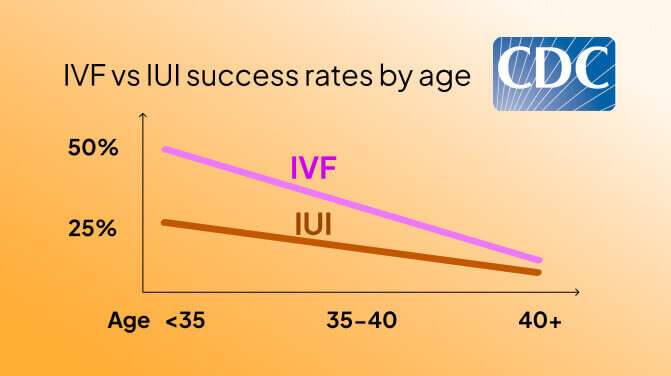
    For women under 35, the success rate for IUI ranges from 8% to 15% per cycle (Belloc, 2018). As women age, the success rate tends to decline, with a decrease of 10-15% for women between 35 and 40 years old and even lower for those over 40. Below, you can find the comparison of IVF and IUI success rates by age.

    It’s essential to consult with a fertility specialist who can provide personalized insights into your specific situation. Find the best fertility doctor near you.

    The IUI Process and Timeline

    Understanding the IUI process and timeline is essential for those considering this fertility treatment. The typical IUI process has the following steps:

    • Day 1 – The start of your cycle 
    • Day 2 or 3 – First appointment and ultrasound 
    • Days 3-7 –  Medication stimulation that will help to produce more eggs and increase chances of fertilization
    • Day 10-13 – Monitoring appointments to check how follicles (future eggs) are growing (usually ultrasound screening).
    • Day 13 – Trigger shot to provoke ovulation
    • Day 14 or 15 – IUI procedure. During the doctor’s visit, the sperm sample is “washed” in the lab to separate active sperm, which then is transfered into the female uterus. The sperm transfer itself takes only 1-2 minutes.  
    • Day 28 – Pregnancy test 

    Keep in mind that this is just a typical timeline, and it could differ depending on your personal circumstances and doctor’s recommendations.

    Conclusion

    In summary, when exploring fertility treatments like IUI, it’s crucial to consider both the financial aspect and the associated success rates. While IUI is generally more affordable than IVF, success rates can vary based on age and individual factors. It’s recommended that couples seeking fertility treatment consult with a fertility doctor. Find the best fertility clinic near you.

  • How much does IUI cost?

    How much does IUI cost?


    Blog
    Clinics

    How much does IUI cost?

    IUI cost: IUI procedure, medication & treatment monitoring costs, and other considerations.

    How much does IUI cost?

    Introduction

    Intrauterine Insemination (IUI) is often a viable and less invasive fertility treatment option for individuals and couples on the journey to parenthood. However, understanding the cost of IUI and what factors contribute to it is crucial in making informed decisions about your fertility journey. 

    What is IUI?

    Before we dive into the cost details, let’s briefly review what IUI entails. Intrauterine Insemination, commonly known as IUI, is a fertility treatment where sperm is placed directly into the uterus during a woman’s ovulation period. This procedure aims to increase the chances of fertilization by bypassing potential barriers the sperm may encounter on its journey to the egg.

    IUI Costs: The Breakdown

    IUI Procedure Cost: 

    The core cost of IUI includes the procedure itself, where a trained healthcare provider places prepared sperm directly into the uterus. The price of this step can vary based on factors such as your location, the medical facility you choose, and whether or not you have insurance coverage for fertility treatments. On average, the basic IUI procedure can range from $1,500 to $3,000 per cycle.

    Fertility Medications:

     In many cases, fertility medications are prescribed to stimulate the ovaries and increase the chances of successful ovulation. The cost of these medications can add up significantly, ranging from $500 to $4,000 per cycle. Whether you require medication and the specific type will depend on your individual circumstances.

    Monitoring and Testing: 

    Before and during the IUI process, you’ll likely need to undergo several tests and monitoring procedures. These may include ultrasounds, blood tests, and sperm analysis. The cost of these tests can vary, but budgeting an additional $500 to $1,000 for monitoring and testing is a prudent estimate.

    Additional IUI Cycles:

    It’s essential to understand that success rates for IUI can vary. Learn more about IUI success rates vs. IVF in our recent blog post. Multiple cycles may be necessary to achieve pregnancy. Each additional IUI cycle will incur its own set of costs, including the basic procedure, medications, and monitoring.

    Overall costs for one IUI procedure may be anything from $2,000 to 7,000 without insurance coverage.

    Insurance Coverage for IUI

    The availability of insurance coverage for IUI varies widely. Some insurance plans may cover a portion of the costs, while others may not cover fertility treatments at all. It’s crucial to check with your insurance provider to understand your coverage and any associated limitations. If your insurance does not cover IUI, you’ll need to budget for the full cost on your own.

    Financial Assistance and Support

    Navigating the cost of IUI can be challenging, but there are resources available to help ease the financial burden. Consider exploring the following options:

    • Fertility Grants and Scholarships: Some organizations offer grants and scholarships to individuals and couples seeking fertility treatment, including IUI. Check here the list of fertility grants that you can apply to.
    • Fertility Financing: Many fertility clinics offer financing options to help you spread the cost of IUI over time. These programs can make fertility treatments more accessible.
    • Employer Benefits: Some employers provide fertility benefits that may cover a portion of your IUI costs. Check with your HR department to see if your company offers such benefits.
    • Tax Deductions: IUI cost can be tax deductible if it is related to infertility. You would need to have all your expenses itemized and proven by receipts. For more details on what expenses are eligible for deduction, consult your tax advisor.

    Conclusion

    The cost of IUI can vary widely, and it’s essential to consider all the factors involved when planning your fertility journey. While the financial aspect can be daunting, remember that there are options for financial assistance and support. Your fertility clinic and insurance provider can provide valuable information to help you make informed decisions about the cost of IUI and your path to parenthood. Book a consultation with a fertility doctor near you.

  • What to expect from the egg freezing process?

    What to expect from the egg freezing process?


    Blog
    Clinics

    What to expect from the egg freezing process?

    You are not alone if your peak reproductive years (20s and early 30s) aren't exactly when you are ready to have kids. Whether it's because they haven't yet met a partner to have a child with, because of professional reasons, or just because they aren't ready to start a family, more and more women are delaying getting pregnant.

    What to expect from the egg freezing process?

    You are not alone if your peak reproductive years (20s and early 30s) aren’t exactly when you are ready to have kids. Whether it’s because they haven’t yet met a partner to have a child with, because of professional reasons, or just because they aren’t ready to start a family, more and more women are delaying getting pregnant.

    Egg freezing may be a desirable alternative for certain people as it provides a form of reproductive insurance against age-related fertility decline. Here’s a thorough explanation of what happens during the egg freezing procedure with us so you can know what to expect.

    The process of freezing your eggs

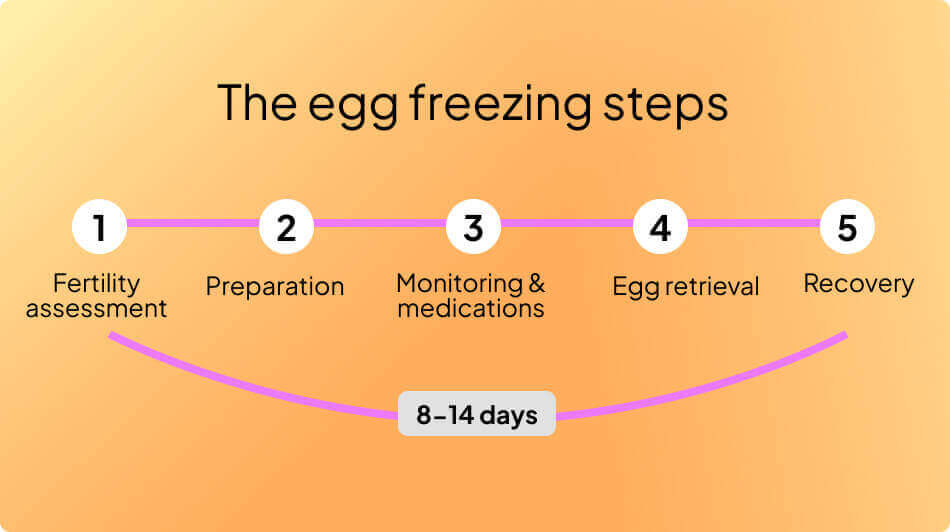
    Fertility testing, which includes blood tests and transvaginal ultrasounds to count visible follicles with the potential to form eggs, is the first step in the procedure. Birth control to control and forecast your cycle and general health modifications may be a part of the preparatory stage. Then, your doctor will prescribe hormone therapy, which entails daily blood injections that you must take for roughly two weeks while also making office appointments every two to three days for blood work and ultrasounds. Following the medical stimulation, your eggs are collected during a quick surgical procedure. The lab checks the extracted eggs over the course of the following 24 hours to identify mature eggs, which are then quickly frozen and kept at -200 C.

    It is advised to follow a healthy diet before egg freezing (high fiber foods, fruits, and vegetables, no processed foods, and little or no sugar), cut back on alcohol, or avoid it altogether. You should stay hydrated, consume protein shakes, and drink electrolyte-enriched beverages like Gatorade after the retrieval to recover more quickly.  Also, high-intensity exercises should be avoided before, during, and after stimulation. The more healthy lifestyle you adopt before the procedure, the easier it will be on your body.

    Is getting your eggs frozen painful?

    After the operation, most people report feeling OK, and severe side effects are quite uncommon. During drug stimulation, some women report feeling lethargic and bloated, while some report feeling extremely emotional during or after the egg freezing procedure. Simply be prepared for it. You can continue to feel bloated for another 7 to 10 days following retrieval, but it will all go away. Your physician keeps an eye on you during and following the surgery to ensure everything is in order.

    The end results

    Our friends and family have talked to Blooming Eve about how difficult it is to locate reliable, understandable information on egg freezing and its price. We have gathered information from various websites and professional sources to compile it into straightforward material so that we can assist women in resolving this problem. We also developed a database including hundreds of clinics and specialists prepared to respond to your inquiries and start the freezing of your eggs for you. Please contact our team to learn more about how we can help today.

    Get access to the best clinics in your area and to the tips on how to decrease your egg freezing costs from Blooming Eve egg freezing specialists. Get a free consultation.

  • Cost of egg freezing & IVF – how to save money on each step

    Cost of egg freezing & IVF – how to save money on each step


    Blog
    Clinics

    Cost of egg freezing & IVF – how to save money on each step

    Cost of IVF & egg freezing are difficult to understand. It can include clinical costs, fertility medication costs, and storage costs. Save the most from choosing the right clinic.

    Cost of egg freezing & IVF - how to save money on each step

    We will talk about the price of the two fertility treatments that are very similar in steps and price: egg freezing and IVF.

    1 – Clinical costs

    Fertility assessment

    It is always the first step. Fertility assessment cost is usually outside of the cycle cost, but your general insurance often covers it. It consists of bloodwork, an ultrasound, and a conversation with your fertility doctor.

    The cycle:
    Egg freezing: $2,500-18,000
    IVF: $3,500-30,000

    The price varies significantly per clinic. Clinics use the term “cycle,” and it means one stimulation of your natural ovulation cycle ending with egg retrieval and freezing of eggs or fertilization and embryo transfer (IVF). Usually, the cycle includes:

    bloodwork and ultrasound (monitoring),
    anesthesia,
    egg retrieval,
    lab fees,
    embryo transfer for IVF (hence IVF is more expensive).

    Sometimes a clinic might charge you separately for some of the steps, like anesthesia, or add extra services to the cost of the cycle, like 1-year storage fees. It is often hard to understand how much exactly the clinic will charge you.

    HACKS TO SAVE $$:

    • Compare the pricing of clinics in your area and in other states/cities. Our database has the most robust info you can find.
    • Call your insurance to see if you have the coverage, general inurancy cover infertility treatment in some States .

    2 – Medication – $3,000 to $10,000

    The price depends on your prescriptions. Your medical protocol will be adjusted on the go depending on how the medication is affecting your body.

    HACKS TO SAVE $$:

    • You can get some of the meds for FREE from our community, where women share their unused extra meds after the procedure.
    • To avoid having extra unused meds, order 50% of the prescribed meds first (will be enough for 4-5 days), then ask your doctor what is the adjusted protocol and order the other 50%. – Saving ~$1k in a cycle.
    • Sometimes you can bill your insurance for medication. To do so, you would need to call your insurance and ask.

    3 – Yearly storage fees – $300 to $1000

    You can keep the eggs at your clinic or transfer them to a more affordable cryobank. To vet a cryobank, we recommend doing your own research, and here is the research we’ve done.

    HACK TO SAVE $$:

    • we have a few trusted partner cryobanks starting at $375 a year (for 5 years of storage). Reply to this email if you want us to connect you with them.

    Add-on extra costs: IVF/embryo freezing

    Some of the clinics may offer additional services and tests when you are going through IVF or embryo freezing. It is up to you if you want or need to do it or not:

    Donor sperm ($500)
    Frozen embryo transfer ($3,000-7,500)
    Genetic testing (~$500-750 per embryo)

    It’s a lot, we know.

    That is exactly why we started Blooming Eve – to make sense of all of this and minimize your fertility expenses. Book your first FREE fertility consultation with our fertility advocate to get your questions answered.

  • Ovarian Reserve Testing: A Guide to Fertility Assessment

    Ovarian Reserve Testing: A Guide to Fertility Assessment


    Blog
    Clinics

    Ovarian Reserve Testing: A Guide to Fertility Assessment

    We will explore ovarian reserve testing, including its importance, available tests, how they work, and where to get them.

    Ovarian Reserve Testing: A Guide to Fertility Assessment

    Introduction

    When it comes to fertility and family planning, understanding your ovarian reserve is a crucial. Ovarian reserve refers to the number of eggs (oocytes) remaining in the ovaries and is used to predict the results of ovarian stimulation for egg freezing or IVF. Ovarian reserve testing is very often one of the first steps in starting fertility treatment: fertility assessment. 

    It is important to understand that while it helps to better forecast the number of eggs retrieved during IVF or egg freezing cycle, it doesn’t assess your reproductive potential and quality of your eggs.

    What is Ovarian Reserve Testing?

    Usually, ovarian reserve testing is based on biochemical analysis (blood test) and ultrasound. The most common blood test includes measuring the following hormones: FSH, AMH, and estradiol. 

    AMH (anti-mulleran hormone): is produced by small ovarian follicles and as the number of follicles declines over time, AMH serves as a simple and direct measure of the number of remaining eggs. AMH levels can be tested at any time during the cycle. Higher AMH may mean that you would need a lower dosage of hormones during fertility treatment and better harvesting of eggs with the procedure.

    FSH (Follicle-Stimulating Hormone): The hormone that helps stimulate the growth of the eggs in ovaries and is produced by a pea-sized body attached to your brain – the pituitary gland. FSH levels vary throughout your cycle and are highest in the beginning (that’s when it’s usually checked, but it also depends on your doctor’s preference). 

    Estradiol is usually measured on the same day as FSH and can help with additional interpretation of FSH (whether FSH is accurate or not).

    AFC (Antral Follicle count)

    This test uses transvaginal ultrasound to count the number of follicles in the ovaries, which can give an estimate of ovarian reserve. 

    Why is Ovarian Reserve Testing Important?

    Ovarian reserve testing should be used in the context of your age and together with other diagnoses. It helps to set expectations and choose between different treatment options.

    Where to Get Ovarian Reserve Testing

    If you’re considering fertility assessment for egg freezing or IVF, you can start by consulting with a reproductive endocrinologist or a fertility specialist. They can recommend the most appropriate tests for your situation and guide you through the process. You can find fertility clinics and specialists near you throughout our database of all fertility clinics in the US.

    Even though there are a number of commercial at-home fertility tests that are used to measure AMH, they vary a lot in accuracy and methodology. That’s why it is recommended to do ovarian reserve testing at the fertility clinic, where a properly trained fertility specialist will analyze it together with other parameters, such as age and diagnosis.

    Cost of Ovarian Reserve Testing

    The cost of ovarian reserve testing can vary widely depending on the type of test, your location, and whether you have insurance coverage. It is often covered by insurance, and It’s essential to check with your healthcare provider or fertility clinic to understand the costs involved.

    Conclusion

    Ovarian reserve testing is a common procedure performed during initial fertility evaluation. It helps to guide your treatment, estimate your response to ovarian stimulation for IVF and egg freezing, and select between different treatment options. For egg freezing, it helps to build expectations on the results of the egg retrieval and plan your treatment according to your family goals and budget. If you are ready to start your fertility assessment, book a consultation with a fertility clinic near you.