Blog Topic: IVF

  • Egg Freezing Age: Understanding Success Rates and Timing

    Egg Freezing Age: Understanding Success Rates and Timing


    Blog
    Egg freezing

    Egg Freezing Age: Understanding Success Rates and Timing

    Learn about egg freezing success rates by age, whether it is worth freezing at 35, 38, 39, 40, or 45, and if it is too late to freeze eggs

    Egg Freezing Age: Understanding Success Rates and Timing

    Introduction

    As women today increasingly prioritize their careers and personal goals, the concept of egg freezing has gained prominence as a potential solution to preserve fertility. However, deciding when to freeze one’s eggs can be a complex and emotional journey. Success rates of egg freezing vary significantly by age, which leaves many women pondering whether they should freeze their eggs at 35, 40, 39, or even later. In this article, we will explore the factors that influence egg freezing success rates by age and provide insights into when it might be the right time to consider this option.

    Egg Freezing Success Rates by Age

    One of the most critical factors in egg freezing is a woman’s age. Eggs are most viable in a woman’s early 20s and gradually decrease in quality and quantity as she ages. Consequently, success rates of egg freezing tend to diminish with age.

    When considering at what age to freeze and how many eggs, certain criteria should be taken into account:

    • The number of eggs retrieved during the cycle is higher when you are younger.
    • With age, the quality of eggs deteriorates, and you need more eggs to create a genetically healthy (euploid) embryo
    • What are your family plans? Do you want to have a few kids, and when? Depending on your family plans, you may need to do a few cycles.
    • Individual health – some people have conditions that may affect their fertility. Fertility testing may help you understand your individual timeline.

    Start with the consultation with a fertility specialist to discuss your personal situation and family plans.

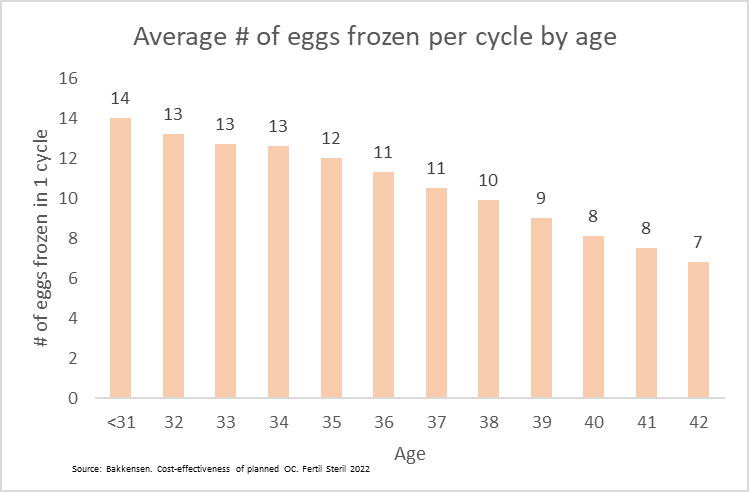
    Average number of eggs frozen by age and success rate by cycle
  • IVF Diet: What to Eat Before, During, and After Treatment

    IVF Diet: What to Eat Before, During, and After Treatment


    Blog
    IVF

    IVF Diet: What to Eat Before, During, and After Treatment

    IVF diet may affect your ovulatory function as well as the quality of sperm of your partner. Explore what food to eat and avoid before and after embryo transfer.

    IVF Diet: What to Eat Before, During, and After Treatment

    Introduction

    In vitro fertilization (IVF) is a remarkable medical advancement that has helped countless couples realize their dreams of parenthood. For those undergoing IVF, a well-balanced diet can play a significant role in supporting the success of the treatment. In this article, we will explore the key aspects of an IVF diet, including what to eat before, during, and after embryo transfer, as well as foods to avoid and the importance of maintaining a healthy diet throughout the IVF process.

    Foods to eat before and after embryo transfer and preparing for your IVF:

    In preparation for your IVF treatment adjustment of your diet may boost your natural fertility (have positive impact on fertility in case of ovulatory dysfunction) and some studies have found that it may also increase the results of your treatment. The studies on the IVF results from following specific diet have been controversial: some of them find positive association with following Dutch diet or Mediterranean diet for women and couples going through IVF, but other studies found no significant impact. 

    Also some individual foods and supplements have demonstarted positive impact in improving natural fertility. 

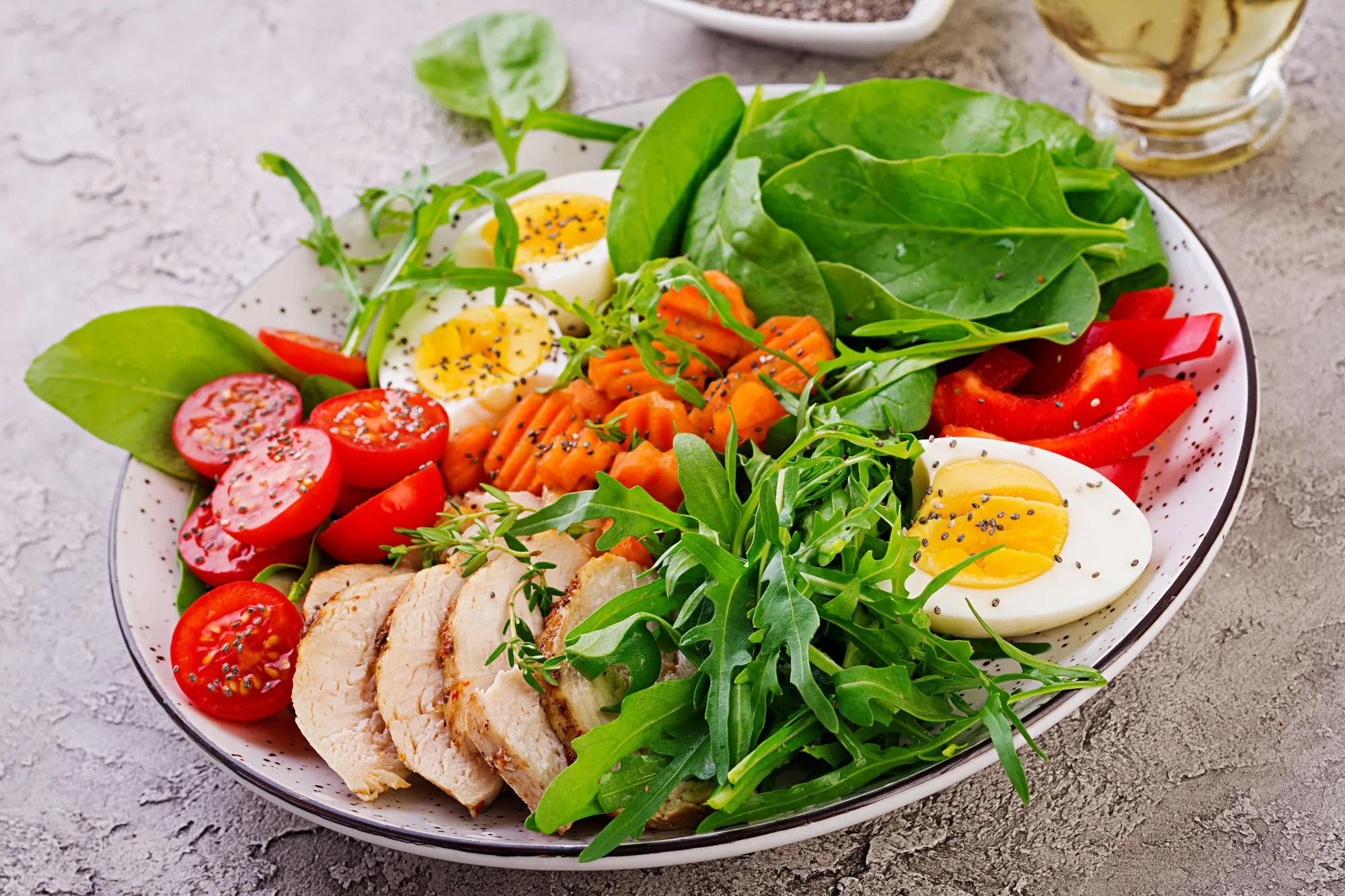
    The fertility-boosting foods include: whole grain, fruits and vegetables, full-fat dairy, fish and soy.

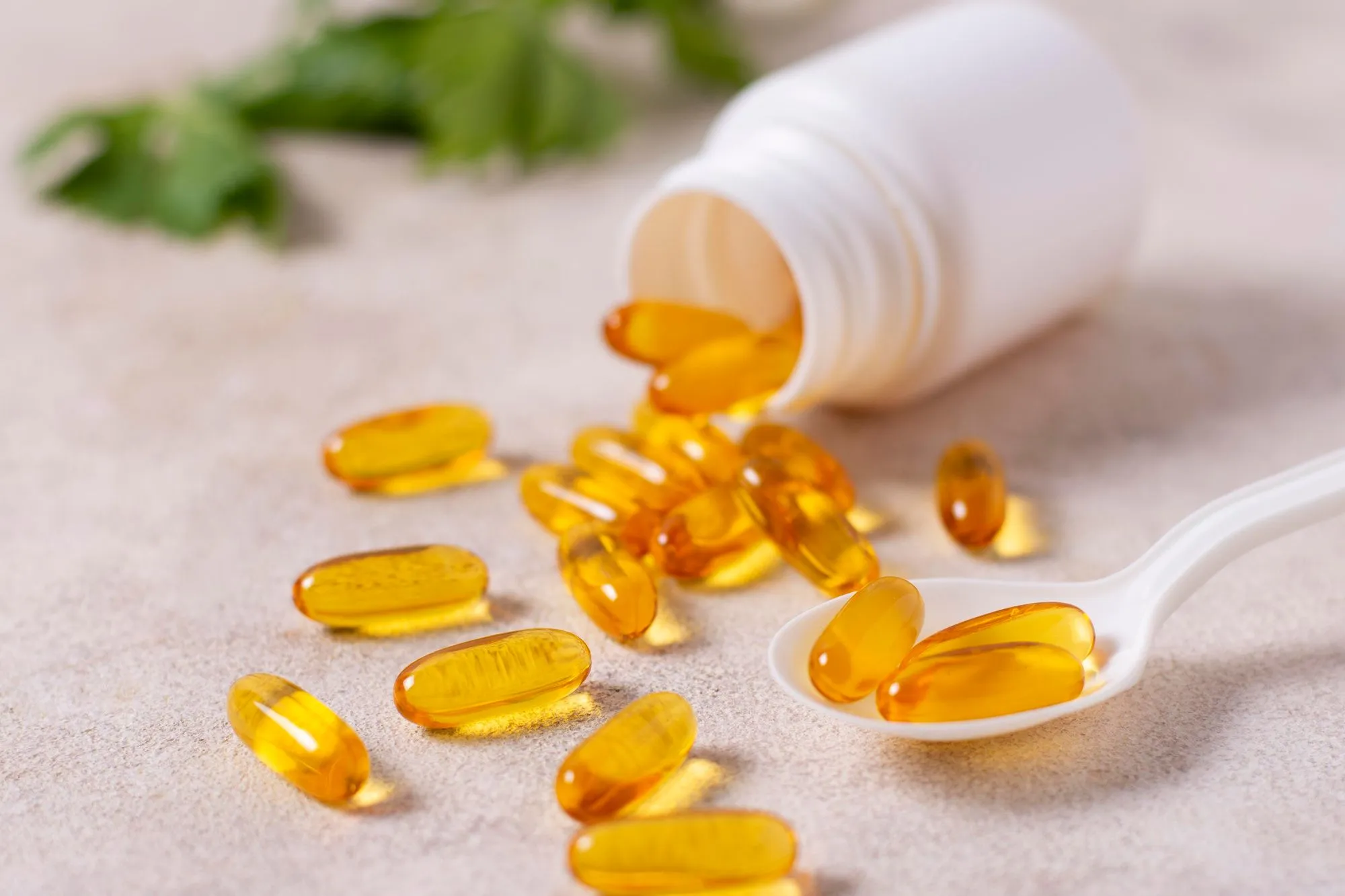
    Supplements that are proven to positively affect fertility include: multivitamins and vitamin B, omega-3, follic acid

    While in most of the cases diet is proven to work specifically for ovulatory disorders, there is also negative correlation between BMI index and iVF results and as well as, so in some cases diet adjustments may be necessary to improve the results of your IVF treatment. Consult with a fertility doctor to understand your individual circumstances. Schedule an appointment with a nutritionist, to start adjusting your diet.

  • Egg Quality Supplements – instrument to improve your IVF results

    Egg Quality Supplements – instrument to improve your IVF results


    Blog
    Clinics

    Egg Quality Supplements – instrument to improve your IVF results

    IVF supplements can improve egg quality and quantity; learn what vitamins and supplements to use for better IVF results

    Egg Quality Supplements - instrument to improve your IVF results

    Introduction

    The quality and quantity of a woman’s eggs are crucial in achieving a successful pregnancy. Multiple studies demonstrated that nutrition and, particularly, certain supplements may boost natural fertility. In this article, we will explore the world of egg quality supplements, discuss their benefits, whether there is any scientific proof justifying their use, and provide insights into how they can support fertility, especially for those undergoing in vitro fertilization (IVF) or dealing with low ovarian reserve.

    Understanding the Importance of Egg Quality

    Egg quality refers to the overall health and vitality of a woman’s eggs. High-quality eggs are more likely to fertilize successfully, resulting in a healthy embryo and a successful pregnancy. Factors such as age, genetics, lifestyle, and environmental exposures can affect egg quality. As women age, the quality and quantity of their eggs naturally decline, making conception more challenging.

    Supplements to Improve Egg Quality and Quantity

    Coenzyme Q10 (CoQ10): CoQ10 is a powerful antioxidant that helps protect eggs from oxidative stress, a common factor contributing to poor egg quality. It may also enhance mitochondrial function, which is crucial for healthy egg development. While scientific evidence is still limited, the existing studies demonstrate an improved clinical pregnancy rate(28.8% to 14%) versus placebo in IVF cycles.

    Myo-inositol: Myo-inositol has shown promise in improving egg quality and ovarian function for PCOS patients going through different infertility treatments. It works by reducing the level of male hormone (testosterone), correcting the LH/FSH ratio, and helping to normalize the menstrual cycle and induce ovulation. For the IVF cycle, it may mean lower FSH dosage and better maturation of eggs. Existing studies mostly evaluate the results of myo-inositol supplementation together with folic acid, and no large studies exist comparing myo-inositol to placebo. Largest recent study demonstrated that a combination of 4g/day of myo-inositol and 400 mg/day of folic acid seem to increase clinical live-birth and lower FSH dosage with ovulation induction for PCOS patients.

    Omega-3 Fatty Acids: Omega-3 fatty acids can improve egg quality, according to a recent study of women going through assisted reproduction treatment or IVF, resulting in better live birth and clinical pregnancy. 

    DHEA (Dehydroepiandrosterone): DHEA is a hormone produced by adrenal glands that promotes the production of androgens and estrogens and peaks during the mid-20s and decreases over age. It is often recommended for women with poor ovarian response to stimulations due to age, prior poor response, and also abnormal ovarian reserve tests (such as low AMH and AFC). Its use has shown improved pregnancy rate. In analyzed studies, it was administered in 25 mg three times daily from 6 to 16 weeks before cycle.

  • Egg quality supplements to improve your egg freezing results

    Egg quality supplements to improve your egg freezing results


    Blog
    Clinics

    Egg quality supplements to improve your egg freezing results

    Learn how to improve your egg freezing outcomes and prepare for your procedure by taking egg quality supplements and vitamins.

    Egg quality supplements to improve your egg freezing results

    Studies have consistently shown that nutrition, including the incorporation of specific supplements, can positively impact natural fertility. In this article, we will explore the potential benefits of supplements, examine the scientific evidence supporting their usage, and shed light on how they can support fertility, particularly for those considering egg freezing or facing concerns related to ovarian reserve.

    While with egg freezing, it is hard to evaluate the egg quality of retrieved eggs before they are thawed and fertilized, the approach for improving egg quality and quantity with nutrition and supplements used for infertility patients can be mirrored for patients willing to do egg freezing to maximize their results from the procedure. 

    Supplements to Enhance Egg Quality and Quantity for egg freezing

    Coenzyme Q10 (CoQ10): CoQ10 is a potent antioxidant that shields eggs from oxidative stress, a common contributor to diminished egg quality. It may also enhance mitochondrial function, a critical factor in the development of healthy eggs. While the scientific evidence is still evolving, existing studies have demonstrated an improved egg quality shown by an improved clinical pregnancy rate in in vitro fertilization (IVF) cycles when CoQ10 was administered.

    Myo-inositol: Myo-inositol has shown promise in enhancing egg quality and ovarian function, especially for patients with polycystic ovary syndrome (PCOS) undergoing various infertility treatments. It works by reducing the levels of male hormones like testosterone, correcting the LH/FSH ratio, and helping to normalize the menstrual cycle and induce ovulation. For egg freezing cycles, myo-inositol may lead to reduced FSH dosages and improved egg maturation. Existing studies mostly evaluate the results of myo-inositol supplementation in combination with folic acid, and while larger studies comparing myo-inositol to placebos are lacking, recent research suggests its potential benefits for PCOS patients.

    Omega-3 Fatty Acids: Recent research has indicated that omega-3 fatty acids can enhance egg quality, particularly in women undergoing assisted reproduction treatments like egg freezing and IVF, associated with higher live birth and clinical pregnancy rates.

  • Unlocking the Link Between Vitamin D and Fertility

    Unlocking the Link Between Vitamin D and Fertility


    Blog
    Clinics

    Unlocking the Link Between Vitamin D and Fertility

    Vitamin D and Fertility: how does it impact female and male reproductive function, connection with PCOS, miscarriages, and IVF results

    Unlocking the Link Between Vitamin D and Fertility

    Understanding Vitamin D

    Vitamin D is a fat-soluble vitamin that primarily aids in calcium absorption and bone health. It is commonly known as the “sunshine vitamin” because your skin can also produce it when exposed to sunlight. Beyond its role in bone health, research has unveiled a multitude of other functions and potential health benefits, including a link to fertility.

    The Connection: Vitamin D and Fertility

    Several studies have suggested that vitamin D may play a significant role in fertility. Here are some key aspects of this relationship:

    Vitamin D and PCOS

    PCOS is a common cause of female infertility. Multiple studies have shown a link between vitamin D deficiency and PCOS. For women with PCOS and vitamin D deficiency, vitamin D supplementation may help normalize vitamin D levels and improve insulin sensitivity, glucose level, and hormonal functionality.

    Vitamin D and miscarriage

    The research also found an association between vitamin D insufficiency and deficiency and miscarriage. The most recent review of scientific publications on that topic found that women with vitamin D deficiency have an increased risk of miscarriage. The authors haven’t found sufficient evidence to show that vitamin D supplementation can decrease the risk of pregnancy loss.

    Vitamin D and IVF

    While there is no consensus on the effect of vitamin D on IVF outcomes, multiple studies show the benefits of normal levels of Vitamin D on IVF results. In this study of 132 women, those who met vitamin D everyday requirement (10 mg/day) and with sufficient levels of 25(OH)D ( vitamin D consumed from food) of over 50 nmol/L had much higher clinical pregnancy rate (64.3%) compared to those who had vitamin D deficiency.

    Another meta-analysis showed that infertile women with vitamin D deficiency had significantly higher clinical pregnancy rates when receiving vitamin D supplementation.

  • How Many Eggs to Freeze: A Guide Using Egg Freezing Calculators

    How Many Eggs to Freeze: A Guide Using Egg Freezing Calculators


    Blog
    Egg freezing

    How Many Eggs to Freeze: A Guide Using Egg Freezing Calculators

    Understanding how many eggs you should freeze in one cycle, egg freezing calculators, and how many eggs are enough for one baby

    How Many Eggs to Freeze: A Guide Using Egg Freezing Calculators

    Understanding how many eggs you should freeze in one cycle, egg freezing calculators, and how many eggs are enough for one baby 

    Introduction

    Egg freezing has become a popular option for women who wish to preserve their fertility. One of the most pressing questions in this process is: How many eggs should you freeze? The answer to this question depends on various factors such as age, health, and personal goals. In this article, we will discuss how to calculate the number of eggs to freeze and factors to consider when determining the ideal number of eggs to freeze.

    From frozen eggs to a healthy embryo 

    Overall, the most important thing to keep in mind is that the number of eggs retrieved is not equal to the number of babies born. To better understand why you need more eggs to get to a pregnancy, it is worth looking into the egg freezing and IVF process overall.

    Egg retrieval

    Not all of the eggs that will be retrieved will be mature, and only mature eggs will be frozen. At your first appointment, when your fertility doctor evaluates your ovarian reserve and does the fertility testing, they would be able to say how many eggs they expect to retrieve. That number will depend on the number of follicles tin your ovaries, your testing results and age, as well as a medication protocol that is used.

    Below is the average number of eggs frozen depending on your age:

  • Unlocking the Potential of Folic Acid for Fertility

    Unlocking the Potential of Folic Acid for Fertility


    Blog
    IVF

    Unlocking the Potential of Folic Acid for Fertility

    Does folic acid increase fertility? Learn about folic acid's effect on female and male fertility and its role in IVF.

    Unlocking the Potential of Folic Acid for Fertility

    Nutrition and proper diet have an important role in the appropriate functioning of the reproductive system. One nutrient that has gained attention in recent years for its potential role in improving fertility is folic acid. In this blog post, we will explore the connection between folic acid and fertility and whether this simple vitamin can truly boost your chances of conception.

    Understanding Folic Acid:

    Folic acid, also known as vitamin B9, is a water-soluble B vitamin that is crucial for various bodily functions. It is especially well-known for its role in preventing birth defects and supporting a healthy pregnancy. Folic acid plays a vital role in DNA synthesis, repair, and cell division, which are essential processes for a healthy pregnancy.

    Folic Acid for Women:

    For women, taking folic acid is essential even before pregnancy is planned. There is a large volume of scientific evidence dating back to the 1980s showing that folic acid helps prevent neural tube defects in the developing fetus. Folic acid was recommended as an essential supplementation for women wanting to conceive. However, the benefits of folic acid extend to fertility as well. A few recent studies demonstrated that higher supplemental folate intake (800 mg/daily) was associated with modestly higher ovarian reserve. Based on a different study, a diet with a higher intake of folic acid was also associated with a lower risk of anovulation.

    Folic Acid for Men:

    While there is an opinion that zinc supplementation, together with folic acid, holds potential advantages for men trying to father a child through improved sperm quality, including motility and DNA integrity, the largest randomized studies do not support this evidence. The randomized study of 2,340 men showed no difference in the quality of sperm between men taking supplements and placebo. The same results were received in the most recent study of 1,470 men.

  • What Exercise Is OK to Do Before and During IVF

    What Exercise Is OK to Do Before and During IVF


    Blog
    IVF

    What Exercise Is OK to Do Before and During IVF

    Exercising before and during in vitro fertilization (IVF) is generally encouraged, but it's essential to choose appropriate exercises that promote overall well-being without overexertion.

    What Exercise Is OK to Do Before and During IVF

    Here are some exercises that are typically considered safe and beneficial before and during IVF:

    Exercise Before IVF:

    • Cardiovascular Exercises: Engage in moderate-intensity cardiovascular exercises like brisk walking, cycling, or swimming. These activities help improve cardiovascular health and maintain a healthy weight, which can positively impact fertility.
    • Yoga: Yoga is an excellent choice for stress reduction and relaxation. It can help alleviate anxiety and improve your mental and emotional well-being, which can be especially helpful during the often-stressful IVF process.
    • Strength Training: Incorporate light to moderate strength training exercises to improve muscle tone and overall fitness. Avoid heavy lifting or high-intensity weightlifting, as it can lead to excessive strain.
    • Pelvic Floor Exercises: Pelvic floor exercises, such as Kegels, are valuable for strengthening the pelvic muscles. These exercises can help improve blood flow to the reproductive organs and potentially enhance fertility.

    Exercise During IVF:

  • How to prepare your body to IVF

    How to prepare your body to IVF


    Blog
    IVF

    How to prepare your body to IVF

    Preparing your body for a successful IVF can actually improve your results. Fertility exercise, fertility diet, supplements, and more tips and tricks to boost fertility.

    How to prepare your body to IVF

    Hormone Balance for Fertility

    Ensuring optimal hormonal balance is crucial for successful IVF. Consult a reproductive endocrinologist or healthcare provider for expert guidance on hormone regulation.

    IVF Diet

    Nourishing your body with a well-balanced and nutritious diet is paramount for IVF success. Consider seeking personalized nutritional advice from a certified nutritionist.

    Fertility Supplements & Vitamins

    Certain fertility-enhancing supplements and vitamins, including folic acid and CoQ10, can bolster your chances. Discuss their usage with your healthcare provider for tailored recommendations. We’ve researched the most essential fertility supplements.

    Fertility-Friendly Lifestyle

    Maximize your fertility prospects by minimizing exposure to toxins, curbing alcohol consumption, quitting smoking, and maintaining a healthy weight.

  • Preparing for a successful IVF and boosting fertility

    Preparing for a successful IVF and boosting fertility


    Blog
    IVF

    Preparing for a successful IVF and boosting fertility

    Discover essential tips and tricks for successful IVF preparation, and prepare your body and mind. Consider a second opinion and more fertility testing.

    Preparing for a successful IVF and boosting fertility

    When facing the challenging journey of infertility, exploring all options and ensuring you’re fully prepared can make a significant difference in your fertility treatment’s success. One crucial aspect is seeking a second opinion to confirm your treatment plan and find peace of mind. In this article, we’ll delve into why a second opinion is essential and outline the extensive testing required to understand the core reasons for infertility diagnoses. We’ll also cover various steps to prepare your body for IVF (In Vitro Fertilization) success, including lifestyle changes, hormonal balance, and mental well-being.

    Why a Second Opinion with a Fertility Doctor Matters

    Confirming Your Fertility Treatment Plan: 

    Seeking a second opinion before embarking on your fertility journey can provide confirmation that your chosen treatment plan is the most suitable option for your specific situation. It helps ensure you’re on the right path.

    Peace of Mind: 

    Infertility can be emotionally taxing, and doubts may arise along the way. A second opinion offers peace of mind, reducing uncertainties and bolstering your confidence in your chosen treatment.

    Checklist for Fertility Testing

    To determine the root causes of infertility, comprehensive testing is crucial. Here are the key tests: