Blog Topic: Clinics

  • ICSI in IVF: what do you need to know

    ICSI in IVF: what do you need to know


    Blog
    Clinics

    ICSI in IVF: what do you need to know

    What is ICSI in IVF, when is it used, ICSI vs. conventional IVF, the effect of ICSI on IVF success rates, and more
    ICSI in IVF: what do you need to know

    Introduction

    In the world of fertility treatments, the acronym ICSI is commonly used when speaking about IVF, leaving many people confused about what it means. In this blog, we’ll explore the concepts of ICSI and IVF, delve into the differences between ICSI vs conventional IVF, discuss success rates, costs, and much more. Whether you’re considering this treatment or simply curious about assisted reproduction, this guide will provide you with valuable insights.

    Understanding ICSI and IVF

    IVF (In Vitro Fertilization)

    IVF, or In Vitro Fertilization, is a widely recognized and common fertility treatment. It involves stimulating a woman’s ovaries to produce multiple eggs, retrieving those eggs, fertilizing them with sperm outside the body, and then transferring the resulting embryos back into the woman’s uterus. IVF is often recommended when couples face infertility due to various factors, such as blocked fallopian tubes, male infertility issues, or unexplained fertility problems.

    ICSI (Intracytoplasmic Sperm Injection)

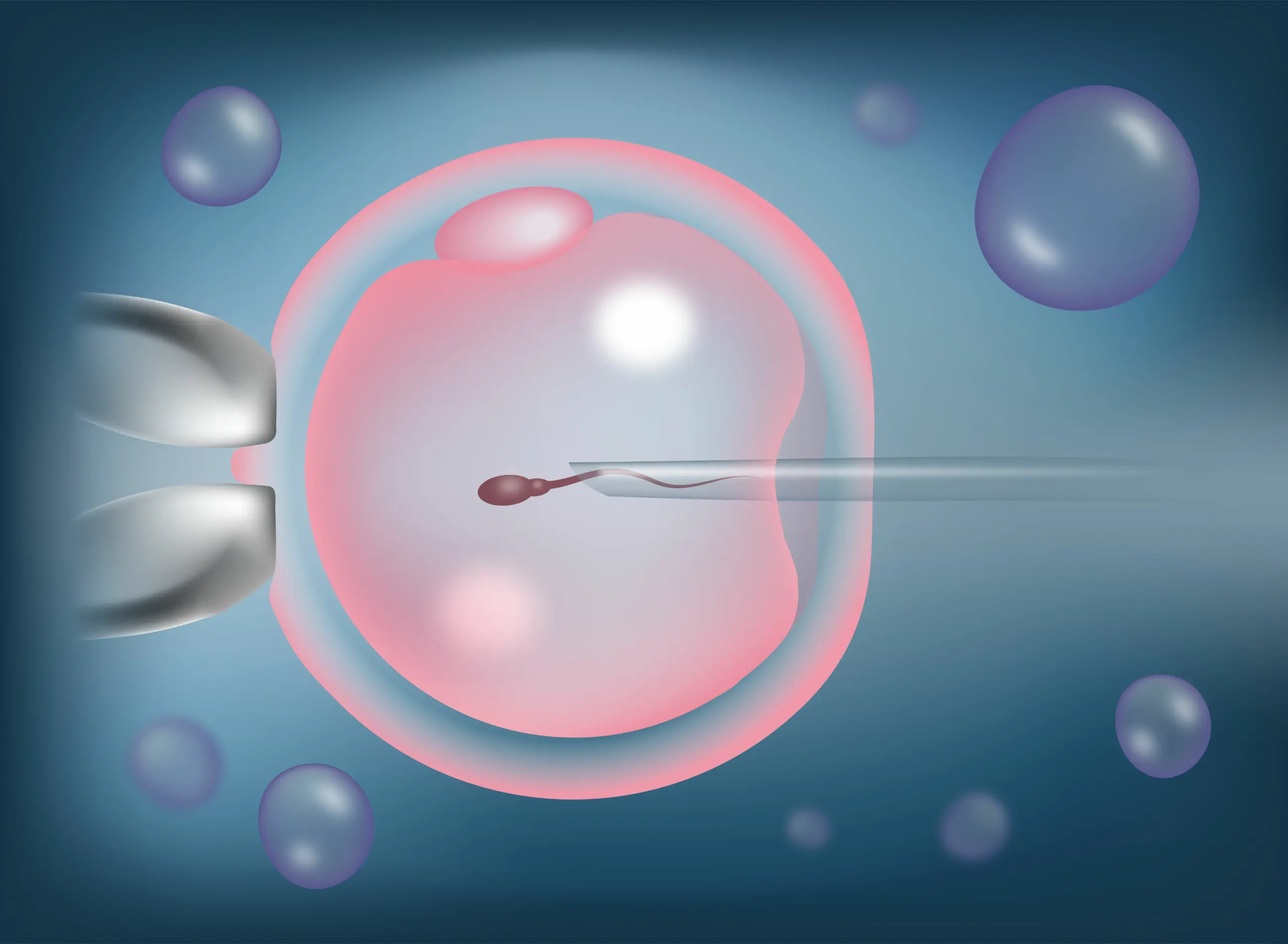
    ICSI, short for Intracytoplasmic Sperm Injection, is a specialized technique used within the framework of IVF. In ICSI, a single sperm is selected and directly injected into an egg to facilitate fertilization. This method is particularly beneficial when there are male infertility issues, such as low sperm count, poor sperm motility, or abnormal sperm shape.

    ICSI vs. IVF

    Now, let’s delve into the differences between ICSI and conventional IVF:

    Fertilization Process: The primary distinction lies in the fertilization process. In IVF, sperm and eggs are combined in a dish, and natural fertilization occurs. In contrast, ICSI involves the direct injection of a single sperm into an egg, ensuring fertilization even when sperm quality is compromised.

    When to use ICSI 

    ICSI is primarily used in IVF cycles for couples with male infertility. There is no strong evidence that demonstrates an increase in live births when ICSI is used without the present male factor, which is also supported by official ASRM (American Society For Reproductive Medicine) guidelines

    ICSI IVF Success Rates

    Success rates for both ICSI and IVF can vary widely depending on several factors, including the age of the woman, the underlying causes of infertility, and the clinic’s expertise. Generally, ICSI may yield higher success rates when male infertility is a contributing factor, as it ensures fertilization. The recent study based on 2020 success rates published by SART (Society for Assisted Reproductive Technology) shows that ICSI brings a significant increase in live-birth rates for patients with male infertility, but there is no statistically significant increase in success rates for patients without male factor infertility:
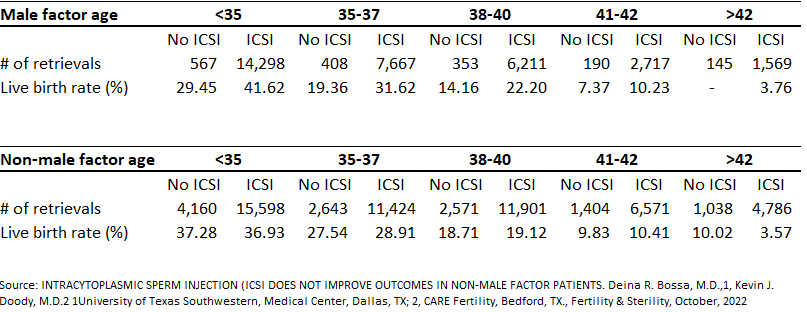
    Multiple studies show that ICSI has no benefits without male factor infertility.

    ICSI IVF Cost

    The cost of ICSI IVF can be higher than that of conventional IVF due to the additional labor and expertise required for the ICSI procedure. The average price of ICSI is around $600-3,000, so before you add this to your bill – it is important to evaluate potential benefits versus costs. 

    Conclusion

    In summary, ICSI is a specialized technique within the IVF framework. The choice between the ICS vs Conventional IVF depends on the specific circumstances and factors contributing to infertility. Generally, ICSI has proven to be an effective technique used in case of male infertility. It’s crucial to consult with a reproductive specialist who can evaluate your situation and recommend the most suitable approach. You can find fertility specialists near you using our extensive database.


  • Egg Retrieval for Embryo Freezing

    Egg Retrieval for Embryo Freezing


    Blog
    Clinics

    Egg Retrieval for Embryo Freezing

    Egg retrieval for embryo freezing is vital in assisted reproductive technologies, allowing couples to preserve embryos for future use in IVF.

    Egg Retrieval for Embryo Freezing

    Egg Retrieval Procedure

    The egg retrieval procedure for embryo freezing is similar to that of egg freezing:

    – Typically performed within 15 minutes under light anesthesia or sedation.

    – A thin, hollow needle is inserted through the vaginal wall into the ovaries.

    – The needle is guided by ultrasound imaging to aspirate mature eggs from follicles.

    – Collected eggs are then fertilized with sperm and allowed to develop into embryos before being frozen for later use. When choosing embryo freezing,

    Success Rates and Clinical Results

    Success rates for embryo freezing depend on various factors, including the quality of embryos and the woman’s reproductive health. Clinical results are generally positive, and frozen embryos can be stored indefinitely, offering flexibility for future IVF cycles.

    Recovery

    Recovery after egg retrieval for embryo freezing is similar to that of egg freezing. Most women can return to their regular activities within 24 to 48 hours, with mild discomfort and bloating lasting a few days.

    After retrieval: consider where to store eggs

    One important consideration is the cost of storing frozen eggs. Blooming Eve researched and found a reliable egg/embryo storage facility for $375 a year (on a 5-year plan). Reach out if you want to save money at a reliable cryobank.

    In summary, the egg retrieval procedure is a core step in assisted reproductive technologies like embryo freezing. While it may have mild side effects, most women recover within a few days, and the timeline varies depending on the specific purpose of the procedure. Book a consultation to get a full scoop of our fertility support. Or find an affordable fertility clinic for a consultation or second opinion.

  • Egg Retrieval for Egg Freezing

    Egg Retrieval for Egg Freezing


    Blog
    Clinics

    Egg Retrieval for Egg Freezing

    Egg retrieval for egg freezing is a crucial procedure designed to collect and preserve a woman's eggs for future use.

    Egg Retrieval for Egg Freezing

    The egg retrieval procedure for egg freezing involves the following steps:

    – Typically performed within 15 minutes under light anesthesia or sedation.

    – A thin, hollow needle is inserted through the vaginal wall into the ovaries.

    – The needle is guided by ultrasound imaging to aspirate mature eggs from follicles.

    – Collected eggs are then immediately transferred to a laboratory for further processing.

    Success Rates and Clinical Results

    Success rates for egg retrieval for freezing vary, but it is generally considered a successful method for preserving fertility. Clinical results often depend on a woman’s age and ovarian reserve. Younger women tend to have better success rates than older ones.

    Recovery

    After the egg retrieval procedure for egg freezing, most women can resume normal activities within 24 to 48 hours. Mild discomfort and bloating may persist for a few days. Following your doctor’s post-retrieval instructions is essential to ensure a smooth recovery.

    After retrieval: consider where to store eggs

    One important consideration is the cost of storing frozen eggs. Blooming Eve researched and found a reliable egg/embryo storage facility for $375 a year (on a 5-year plan). Reach out if you want to save money at a reliable cryobank.

    In summary, the egg retrieval procedure is a core step in assisted reproductive technologies like IVF, egg freezing, and embryo freezing. While it may have mild side effects, most women recover within a few days, and the timeline varies depending on the specific purpose of the procedure. Book a consultation to get a full scoop of our fertility support. Or find an affordable fertility clinic for a consultation or second opinion.

  • Understanding IVF cost

    Understanding IVF cost


    Blog
    Clinics

    Understanding IVF cost

    IVF cost is one of the primary considerations many couples take when evaluating their fertility treatment options. In this blog post, we'll delve into the various aspects of IVF costs, including the average IVF cost, IVF medication cost, and factors that influence the cost of IVF.

    Understanding IVF cost

    Understanding the Basics: What is IVF?

    In Vitro Fertilization is a type of fertility treatment that involves combining an egg and sperm outside the body in a laboratory dish. Once fertilized, the embryo is then transferred into the uterus. If you also want to learn more about IVF process, you can check one of our recent blog posts. IVF is a blessing for couples struggling with infertility, but it’s essential to be prepared for the associated costs. 

    Breaking Down the Cost of IVF

    • IVF Clinical Cost: The cost of the actual IVF procedure can vary widely depending on factors such as the clinic’s location, reputation, and success rates. The cost of a single IVF cycle or procedure can range from $3,500 to $30,000. It’s recommended to ask about what’s included in this cost, such as ultrasounds, blood tests, and embryo transfers, ICSI (Intracytoplasmic Sperm Injection) and anesthesia. Preliminary testing for both partners is needed before starting the IVF process and it is not included in the cycle cost. 
    • IVF Medication Cost: IVF requires various medications to stimulate egg production, trigger ovulation, and support the uterine lining. These medications can significantly contribute to the overall cost and the individual protocol depends on your medical history and doctor’s recommendations. On average, IVF medication costs can range from $3,000 to $10,000, depending on the individual’s needs.

    Find out about the cost of IVF in different clinics near you

  • Fertility testing: what is tested and find one near you

    Fertility testing: what is tested and find one near you


    Blog
    Clinics

    Fertility testing: what is tested and find one near you

    Fertility testing can be done at a fertility clinic or some OBGYN offices near you. It is often covered by general insurance. Check your fertility regularly and better with a doctor.

    Fertility testing: what is tested and find one near you

    Find fertility testing near you

    Why should you consider fertility testing?

    Think of it like a checkup for your reproductive health. Whether you’re itching to be a parent now or just pondering it, fertility testing can provide crucial insights to help you plan and address any potential snags along the way. After 30 years old, annual fertility testing visits can help you monitor your reproductive health and address any concerns as they arise.

    Different kinds of fertility testing

    Now, let’s talk about the various types of fertility testing:

    For women:

    • Hormone Check: This usually involves a quick blood test to measure hormone levels like FSH, AMH, and LH. It gives you the scoop on your ovulation and egg quality.
    • Ultrasound: For the ladies, a transvaginal ultrasound can look at your reproductive organs, spot any structural issues, and keep tabs on follicle growth.
  • Egg Quality Supplements – instrument to improve your IVF results

    Egg Quality Supplements – instrument to improve your IVF results


    Blog
    Clinics

    Egg Quality Supplements – instrument to improve your IVF results

    IVF supplements can improve egg quality and quantity; learn what vitamins and supplements to use for better IVF results

    Egg Quality Supplements - instrument to improve your IVF results

    Introduction

    The quality and quantity of a woman’s eggs are crucial in achieving a successful pregnancy. Multiple studies demonstrated that nutrition and, particularly, certain supplements may boost natural fertility. In this article, we will explore the world of egg quality supplements, discuss their benefits, whether there is any scientific proof justifying their use, and provide insights into how they can support fertility, especially for those undergoing in vitro fertilization (IVF) or dealing with low ovarian reserve.

    Understanding the Importance of Egg Quality

    Egg quality refers to the overall health and vitality of a woman’s eggs. High-quality eggs are more likely to fertilize successfully, resulting in a healthy embryo and a successful pregnancy. Factors such as age, genetics, lifestyle, and environmental exposures can affect egg quality. As women age, the quality and quantity of their eggs naturally decline, making conception more challenging.

    Supplements to Improve Egg Quality and Quantity

    Coenzyme Q10 (CoQ10): CoQ10 is a powerful antioxidant that helps protect eggs from oxidative stress, a common factor contributing to poor egg quality. It may also enhance mitochondrial function, which is crucial for healthy egg development. While scientific evidence is still limited, the existing studies demonstrate an improved clinical pregnancy rate(28.8% to 14%) versus placebo in IVF cycles.

    Myo-inositol: Myo-inositol has shown promise in improving egg quality and ovarian function for PCOS patients going through different infertility treatments. It works by reducing the level of male hormone (testosterone), correcting the LH/FSH ratio, and helping to normalize the menstrual cycle and induce ovulation. For the IVF cycle, it may mean lower FSH dosage and better maturation of eggs. Existing studies mostly evaluate the results of myo-inositol supplementation together with folic acid, and no large studies exist comparing myo-inositol to placebo. Largest recent study demonstrated that a combination of 4g/day of myo-inositol and 400 mg/day of folic acid seem to increase clinical live-birth and lower FSH dosage with ovulation induction for PCOS patients.

    Omega-3 Fatty Acids: Omega-3 fatty acids can improve egg quality, according to a recent study of women going through assisted reproduction treatment or IVF, resulting in better live birth and clinical pregnancy. 

    DHEA (Dehydroepiandrosterone): DHEA is a hormone produced by adrenal glands that promotes the production of androgens and estrogens and peaks during the mid-20s and decreases over age. It is often recommended for women with poor ovarian response to stimulations due to age, prior poor response, and also abnormal ovarian reserve tests (such as low AMH and AFC). Its use has shown improved pregnancy rate. In analyzed studies, it was administered in 25 mg three times daily from 6 to 16 weeks before cycle.

  • Egg quality supplements to improve your egg freezing results

    Egg quality supplements to improve your egg freezing results


    Blog
    Clinics

    Egg quality supplements to improve your egg freezing results

    Learn how to improve your egg freezing outcomes and prepare for your procedure by taking egg quality supplements and vitamins.

    Egg quality supplements to improve your egg freezing results

    Studies have consistently shown that nutrition, including the incorporation of specific supplements, can positively impact natural fertility. In this article, we will explore the potential benefits of supplements, examine the scientific evidence supporting their usage, and shed light on how they can support fertility, particularly for those considering egg freezing or facing concerns related to ovarian reserve.

    While with egg freezing, it is hard to evaluate the egg quality of retrieved eggs before they are thawed and fertilized, the approach for improving egg quality and quantity with nutrition and supplements used for infertility patients can be mirrored for patients willing to do egg freezing to maximize their results from the procedure. 

    Supplements to Enhance Egg Quality and Quantity for egg freezing

    Coenzyme Q10 (CoQ10): CoQ10 is a potent antioxidant that shields eggs from oxidative stress, a common contributor to diminished egg quality. It may also enhance mitochondrial function, a critical factor in the development of healthy eggs. While the scientific evidence is still evolving, existing studies have demonstrated an improved egg quality shown by an improved clinical pregnancy rate in in vitro fertilization (IVF) cycles when CoQ10 was administered.

    Myo-inositol: Myo-inositol has shown promise in enhancing egg quality and ovarian function, especially for patients with polycystic ovary syndrome (PCOS) undergoing various infertility treatments. It works by reducing the levels of male hormones like testosterone, correcting the LH/FSH ratio, and helping to normalize the menstrual cycle and induce ovulation. For egg freezing cycles, myo-inositol may lead to reduced FSH dosages and improved egg maturation. Existing studies mostly evaluate the results of myo-inositol supplementation in combination with folic acid, and while larger studies comparing myo-inositol to placebos are lacking, recent research suggests its potential benefits for PCOS patients.

    Omega-3 Fatty Acids: Recent research has indicated that omega-3 fatty acids can enhance egg quality, particularly in women undergoing assisted reproduction treatments like egg freezing and IVF, associated with higher live birth and clinical pregnancy rates.

  • Unlocking the Link Between Vitamin D and Fertility

    Unlocking the Link Between Vitamin D and Fertility


    Blog
    Clinics

    Unlocking the Link Between Vitamin D and Fertility

    Vitamin D and Fertility: how does it impact female and male reproductive function, connection with PCOS, miscarriages, and IVF results

    Unlocking the Link Between Vitamin D and Fertility

    Understanding Vitamin D

    Vitamin D is a fat-soluble vitamin that primarily aids in calcium absorption and bone health. It is commonly known as the “sunshine vitamin” because your skin can also produce it when exposed to sunlight. Beyond its role in bone health, research has unveiled a multitude of other functions and potential health benefits, including a link to fertility.

    The Connection: Vitamin D and Fertility

    Several studies have suggested that vitamin D may play a significant role in fertility. Here are some key aspects of this relationship:

    Vitamin D and PCOS

    PCOS is a common cause of female infertility. Multiple studies have shown a link between vitamin D deficiency and PCOS. For women with PCOS and vitamin D deficiency, vitamin D supplementation may help normalize vitamin D levels and improve insulin sensitivity, glucose level, and hormonal functionality.

    Vitamin D and miscarriage

    The research also found an association between vitamin D insufficiency and deficiency and miscarriage. The most recent review of scientific publications on that topic found that women with vitamin D deficiency have an increased risk of miscarriage. The authors haven’t found sufficient evidence to show that vitamin D supplementation can decrease the risk of pregnancy loss.

    Vitamin D and IVF

    While there is no consensus on the effect of vitamin D on IVF outcomes, multiple studies show the benefits of normal levels of Vitamin D on IVF results. In this study of 132 women, those who met vitamin D everyday requirement (10 mg/day) and with sufficient levels of 25(OH)D ( vitamin D consumed from food) of over 50 nmol/L had much higher clinical pregnancy rate (64.3%) compared to those who had vitamin D deficiency.

    Another meta-analysis showed that infertile women with vitamin D deficiency had significantly higher clinical pregnancy rates when receiving vitamin D supplementation.

  • How much does IVF cost in Ohio?

    How much does IVF cost in Ohio?


    Blog
    Clinics

    How much does IVF cost in Ohio?

    Explore IVF cost in Ohio, factors that affect IVF cost, what to expect, and other financial considerations

    How much does IVF cost in Ohio?

    Find the best fertility clinic in Ohio with price and success rates

    Introduction

    Embarking on the journey of in-vitro fertilization (IVF) can be an emotional and financial rollercoaster. For many couples struggling with infertility, the desire to start or expand their family often comes with a steep price tag. In this blog post, we will explore the cost of IVF in Ohio and what affects the price to help you better understand what to expect when pursuing fertility treatments in Buckeye State.

    The Average Cost of IVF in Ohio

    When it comes to IVF, the cost can vary widely based on multiple factors, including your location, chosen clinic, and specific treatment plan. On average, the cost of a single IVF cycle in Ohio can range from $8,400 to $15,000. However, this is just a ballpark figure, and the actual cost can be higher or lower depending on individual circumstances.

    IVF Cost in Columbus, Ohio

    Columbus, as the state’s capital and largest city, has several fertility clinics offering IVF services. The cost of IVF in Columbus typically falls within the statewide average range of $10,000 to $15,000. Some clinics may offer package deals or discounts for multiple cycles, which can help alleviate the financial burden for couples pursuing IVF.

    IVF Cost in Cincinnati, Ohio

    Cincinnati, located in the southwestern part of Ohio, also has its share of fertility clinics. The cost of IVF in Cincinnati is generally similar to the statewide average. It’s important to consult with multiple clinics in the area to compare prices, payment plans, and any financial assistance options they may offer. Check prices for fertility clinics in other cities in Ohio and in other states.

  • The Cost of IVF in NYC

    The Cost of IVF in NYC


    Blog
    Clinics

    The Cost of IVF in NYC

    Average cost of IVF in NYC is around $12,000-15,000 per cycle. Learn about the ways to find affordable options.

    The Cost of IVF in NYC

    Find the best fertility clinic in New York with price and success rates

    Introduction

    For many couples and individuals struggling to conceive, In Vitro Fertilization (IVF) is a beacon of hope. However, for those living in New York City, one of the most bustling and expensive cities in the world, the cost of IVF can be a significant concern. In this article, we will explore the various facets of IVF cost in NYC, including the quest for the cheapest IVF options, average prices, and ways to make fertility treatments more affordable.

    Understanding IVF Cost in NYC

    IVF is a complex and effective fertility treatment that involves fertilizing an egg with sperm outside the body before implanting it in the uterus. The cost of IVF varies widely in NYC, mainly depending on the clinic, the specific patient needs, and the chosen treatment options.

    While New York City is known for its high cost of living, it is still possible to find affordable IVF options. Some clinics offer competitive rates or discounts for multiple cycles. Extensive research and consultations with different clinics are crucial to finding budget-friendly IVF options that meet your needs.

    Average IVF Costs in NYC

    The average cost of a single IVF cycle in New York City varies, with estimates ranging from $12,000 to $15,000. It’s essential to note that this estimate doesn’t encompass expenses such as medications, additional procedures, or the potential need for multiple IVF cycles to achieve success.